PCI Requirement 8.3.1 – Incorporate Multi-Factor Authentication for All Non-Console Access
PCI v4.0 - 8.3.1: Access to System Components Is Properly Authenticated
Requirement 8.3.1 PCI DSS 3.2.1: Incorporate multi-factor authentication for non-console access
My Understanding of PCI DSS 3.2.1 Requirement 8.3.1
PCI DSS 3.2: Req. 8.3.1
PCI Requirement 8.3 – Secure All Individual Non-Console Administrative Access
PCI Requirement 11.5.1 – Implement a Process to Respond to Change-Detection Solution Alerts
PCI Readiness Series: Requirement 8
PCI Requirement 8.3.2 – Incorporate Multi-Factor Authentication for all Remote Network Access
PCI Requirement 8.5 – Do Not Use Group, Shared, or Generic IDs, or Passwords
PCI DSS 3.2: Req. 3.5.1
PCI Requirement 3.5.1 Maintain a Documented Description of The Cryptographic Architecture
PCI Requirement 10.5.4 – Write Logs for External-Facing Technologies onto a Secure Device
PCI Requirement 3.5.2 Restrict Access to Cryptographic Keys
PCI Requirement 8.5.1 – Remote Access to Customer Premises Must Use Unique Authentication
PCI Requirement 10.3.1 – User Identification
PCI Requirement 8.2 – Ensure Proper User-Authentication Management by Something You Know
PCI Requirement 3.2 - Do Not Store Sensitive Authentication Data After Authorization
PCI DSS 3.2: Req. 11.3.4.1
PCI Requirement 10.1 – Implement Audit Trails to Link all Access to System Components
PCI Requirement 11.1 – Implement Processes to Test for the Presence of Wireless Access Points
PCI Requirement 2.3 - Encryption
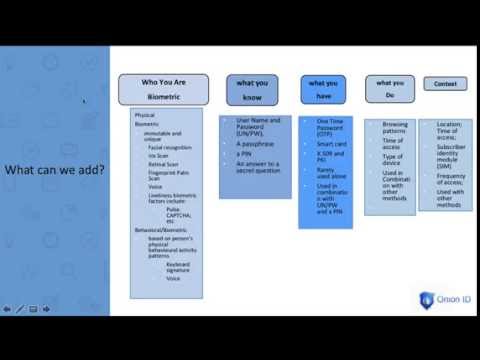
Easy multi factor authentication strategies and PCI DSS 3 21467212487
PCI Requirement 11.5 – Deploy a Change-Detection Mechanisms to Alert Personnel
PCI Requirement 8.2.2 – Verify User Identity Before Modifying Any Authentication Credential