PCI Requirement 3.1 - Keep Cardholder Data Storage to a Minimum
PCI v4.0 - 3.1.1 & 3.1.2: Have Requirement 3 Policies and Procedures Assigned and In Place
PCI v4.0 - 5.2.3.1:Define Frequency of Periodic Evaluations of Systems in the Targeted Risk Analysis
PCI Readiness Series Requirements: 3 & 4
How to Stay Compliant With PCI 3 1 Requirements
PCI DSS 3.1 Compliancy with Alert Logic
PCI Readiness Series: Requirement 9
PCI Requirements 3.2.1, 3.2.2 & 3.2.3 Do Not Store Tracks, Codes or PINs After Authorization
[PCI DSS Requirement 3 ] Summary of Changes from Version 3.2.1 to 4.0 Explained
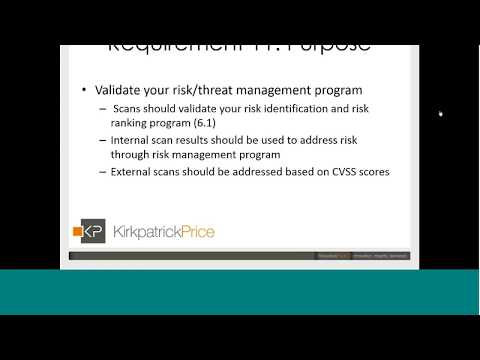
PCI Readiness Series: Requirement 11
PCI v4.0 - 6.2.3 & 6.2.3.1: Bespoke and Custom Software Is Reviewed Before Being Released
Requirement 3 PCI DSS 3.2.1: Protect stored cardholder data
PCI Requirement 3.6.2 Secure Cryptographic Key Distribution
PCI Requirement 9.8 – Destroy Media When it is no Longer Needed
PCI v4.0 - 12.6.3.1: Include Threats and Vulnerabilities in Information Security Awareness Trainings

PCI Requirement 3.6.6 Using Split Knowledge & Dual Control
PCI DSS v4.0 Requirement 10: What’s Changed (and Why It Matters)
PCI Requirement 7.2.1 – Coverage of all System Components
PCI Requirement 7.1 – Limit Access to System Components and Cardholder Data
PCI Requirement 3.6.1 Generation of Strong Cryptographic Keys
PCI Requirement 6.1 – Establish a Process to Identify Security Vulnerabilities
PCI Requirement 6.3.1 – Remove Development and Test Accounts, User IDs, and Passwords Before Release
PCI-DSS Requirement 3
PCI Readiness Series: Requirement 8
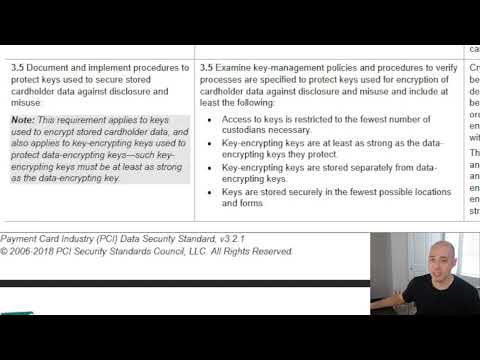
PCI Requirement 3.5.3 Store Secret and Private Keys Used to Encrypt/decrypt Cardholder Data