PCI Requirement 12.8.4 and 12.8.5 – Monitor Service Providers’ PCI DSS Compliance Status
PCI Requirement 12.8 – Maintain Policies and Procedures to Manage Service Providers
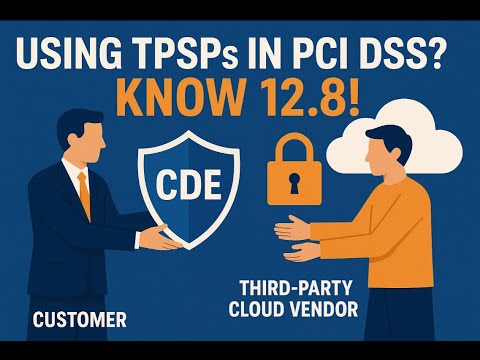
PCI DSS Requirement 12.8: What You Must Do When Using Third-Party Service Providers
PCI Requirement 12.8 & 12.8.1 – Manage Service Providers with Cardholder Data Access
PCI Requirement 12.8.3 – Ensure there is an Established Process for Engaging Service Providers
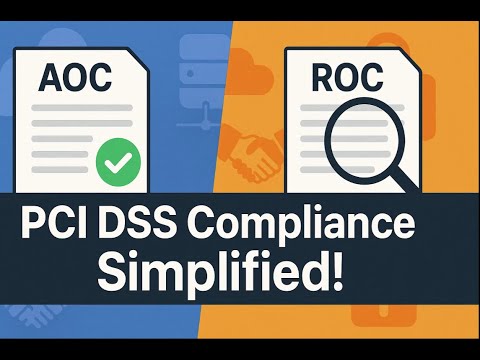
PCI DSS Explained: TPSPs, AOC vs ROC, and Requirement 12.8/12.9 Made Simple!
PCI Requirement 12.8.2 - Service Providers are Responsible for the Security of Cardholder Data
PCI v4.0 - 12.8.4: Monitor the PCI DSS Compliance of Third-Party Service Providers
PCI v4.0 - 12.8.5: Detail Responsibilities Held by Third-Party Service Providers
How to Verify TPSP PCI DSS Compliance: AOC, Brand Lists & Red Flags
PCI Requirement 8.6 – Authentication Mechanisms Must Not Be Shared Among Multiple Accounts
PCI Requirement 12.9 – Service Providers are Responsible for the Security of Cardholder Data
PCI Requirement 12: Maintain a Policy that Addresses Information Security for All Personnel
PCI Requirement 8.5 – Do Not Use Group, Shared, or Generic IDs, or Passwords
PCI Requirement 2.1 - Always Change Vendor-Supplied Defaults
What to Include in a List of Service Providers
PCI v4.0 - 12.8.2: Maintain Written Requirements with Third-Party Service Providers
PCI Requirement 12.5 – Assign Information Security Management Responsibilities to a Team
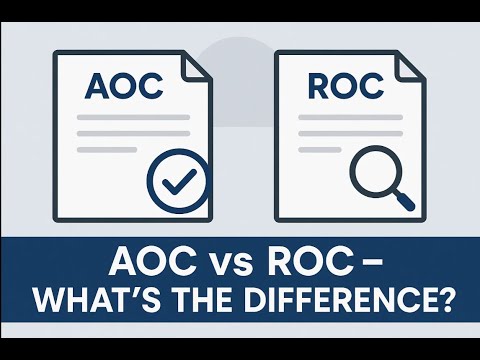
PCI DSS AOC vs ROC: What’s the Difference? (Cloud Provider Example)
PCI Requirement 9.6.1 – Classify Media so the Sensitivity of the Data Can Be Determined