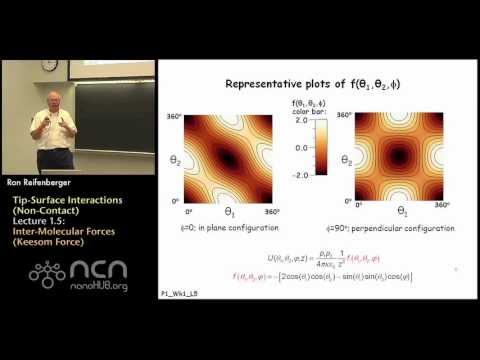
nanoHUB-U Fundamentals of AFM L1.5: Tip-Surface Interactions (Non-Contact) - Keesom Force
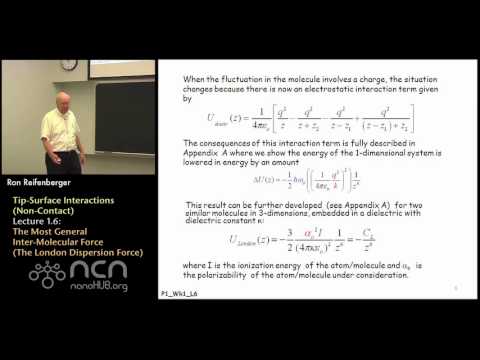
nanoHUB-U Fundamentals of AFM L1.6: Tip-Surface Interactions (Non-Contact) - Dispersion Force
nanoHUB-U Fundamentals of AFM L1.1: Tip-Surface Interactions (Non-Contact) - IntraMolecular
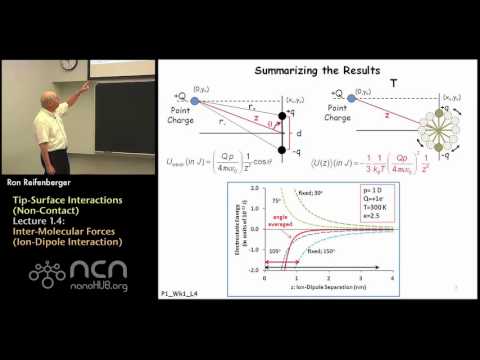
nanoHUB-U Fundamentals of AFM L1.4: Tip-Surface Interactions (Non-Contact) - Ion-Dipoles
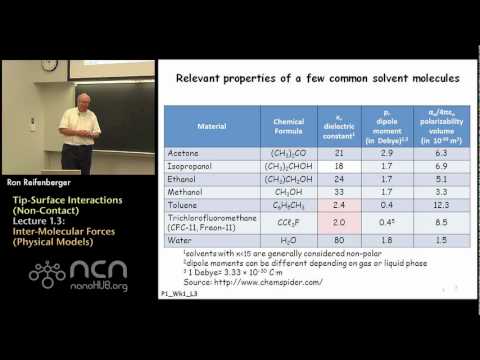
nanoHUB-U Fundamentals of AFM L1.3: Tip-Surface Interactions (Non-Contact) - Physical Models
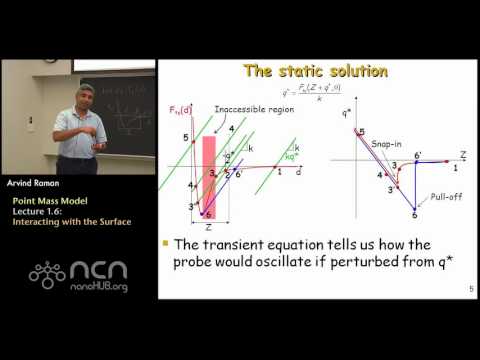
nanoHUB-U Fundamentals of AFM L1.6: Point Mass Model - Interacting with the Surface
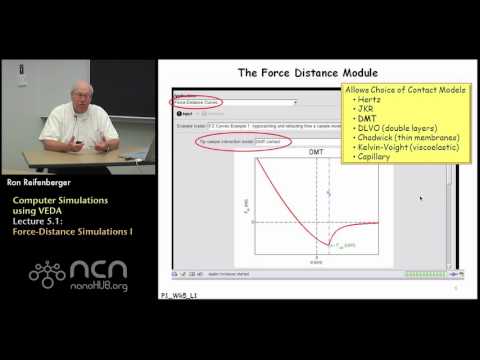
nanoHUB-U Fundamentals of AFM L5.1: Computer Simulations using VEDA - Force-Distance I
nanoHUB-U Fundamentals of AFM L1.5: Point Mass Model - Conservative and Dissipative Forces
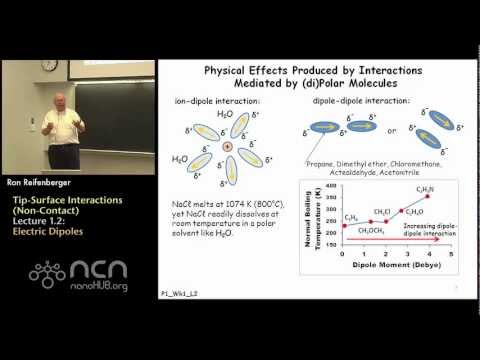
nanoHUB-U Fundamentals of AFM L1.2: Tip-Surface Interactions (Non-Contact) - Electric Dipoles
nanoHUB-U Fundamentals of AFM L1.4: Point Mass Model - Calibrating Effective Properties
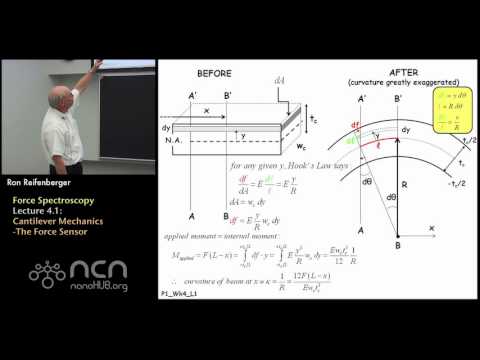
nanoHUB-U Fundamentals of AFM L4.1: Force Spectroscopy - The Force Sensor
nanoHUB-U Fundamentals of Atomic Force Microscopy: Scientific Overview
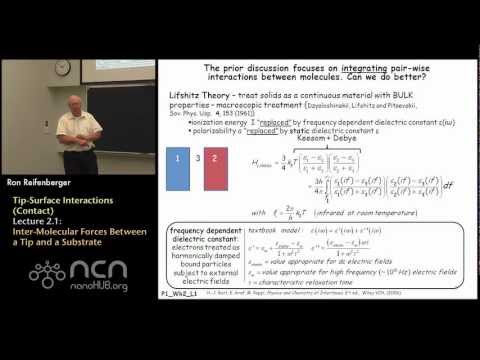
nanoHUB-U Fundamentals of AFM L2.1: Tip-Surface Interactions (Contact) - Hamaker
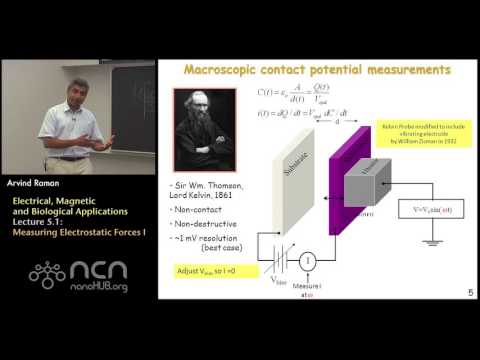
nanoHUB-U Fundamentals of AFM L5.1: Dynamic AFM for Electrostatics - Measuring Electrostatic Forces
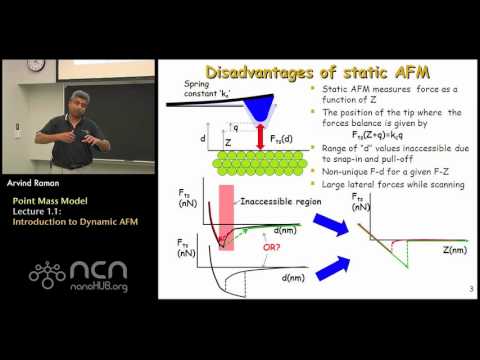
nanoHUB-U Fundamentals of AFM L1.1: Point Mass Model - Introduction to Dynamic AFM
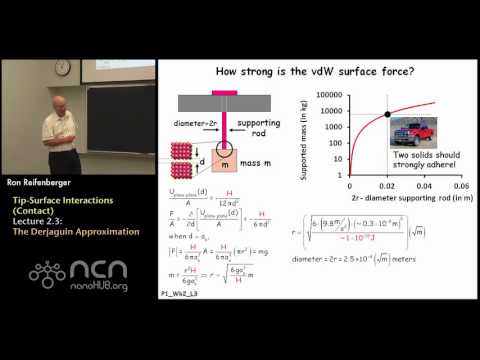
nanoHUB-U Fundamentals of AFM L2.3: Tip-Surface Interactions (Contact) - Dejaugin Approximation
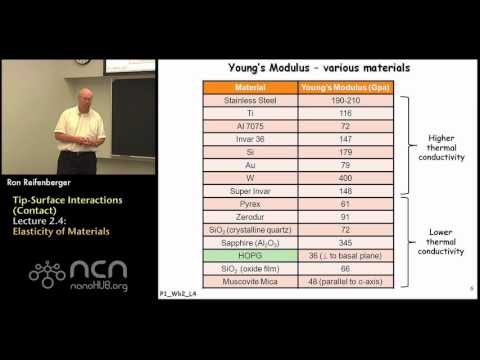
nanoHUB-U Fundamentals of AFM L2.4: Tip-Surface Interactions (Contact) - Elasticity of Materials
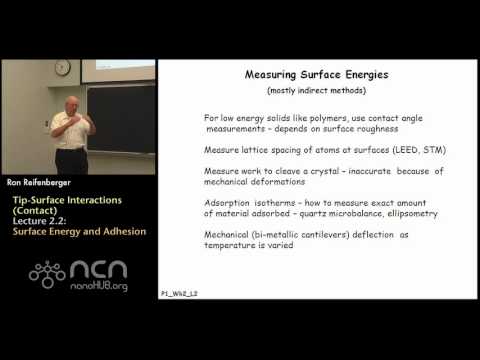
nanoHUB-U Fundamentals of AFM L2.2: Tip-Surface Interactions (Contact) - Surface Energies
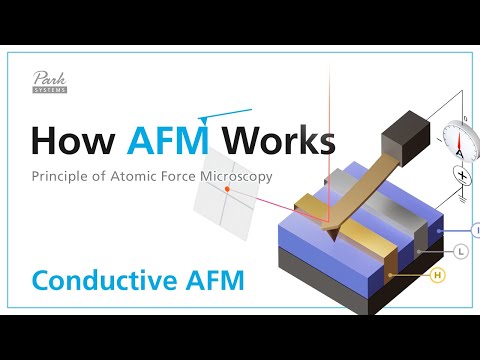
Conductive AFM | How AFM Works - Principle of Atomic Force Microscopy
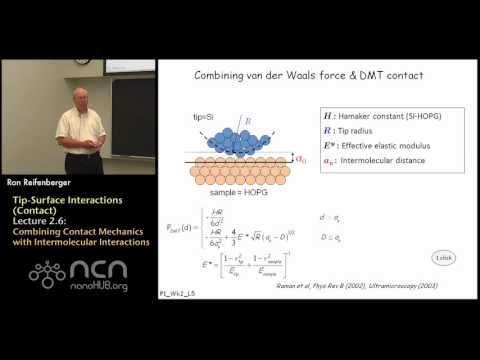
nanoHUB-U Fundamentals of AFM L2.6: Tip-Surface Interactions (Contact) - Hertz, JKR, DMT