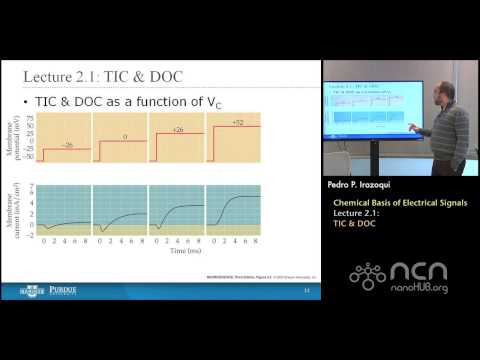
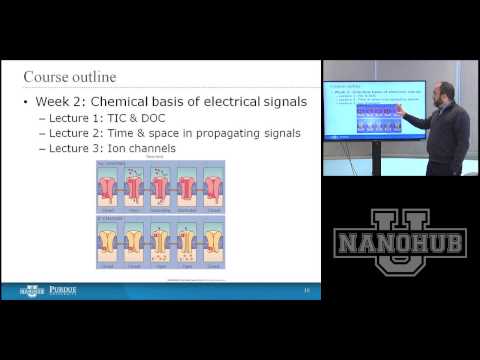
nanoHUB-U Bioelectricity L2.1: Chemical Basis - TIC & DOC
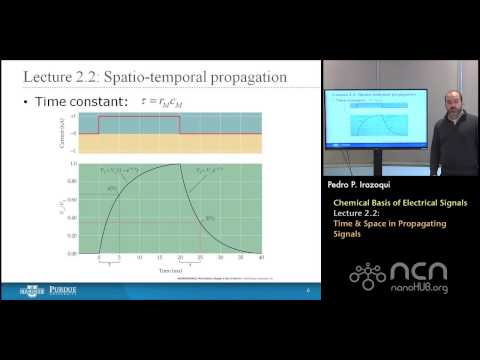
nanoHUB-U Bioelectricity L2.2: Chemical Basis - Time & Space in Propagating Signals
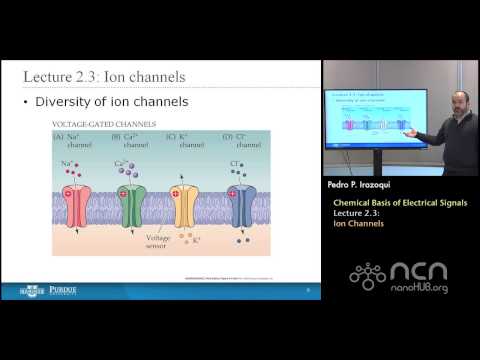
nanoHUB-U Bioelectricity L2.3: Chemical Basis - Ion Channels
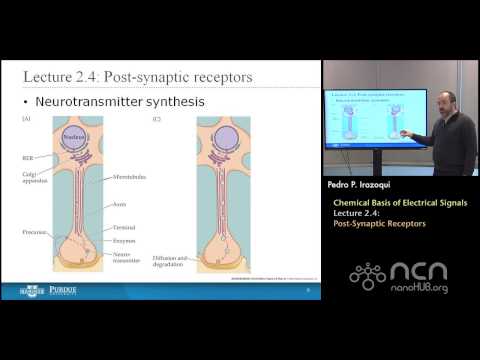
nanoHUB-U Bioelectricity L2.4: Chemical Basis - Post-Synaptic Receptors
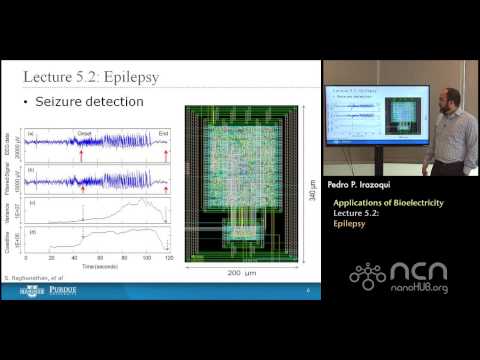
nanoHUB-U Bioelectricity L5.2: Applications of Bioelectricity - Epilepsy
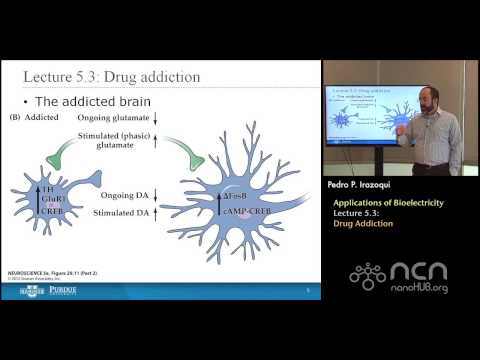
nanoHUB-U Bioelectricity L5.3: Applications of Bioelectricity - Drug Addiction
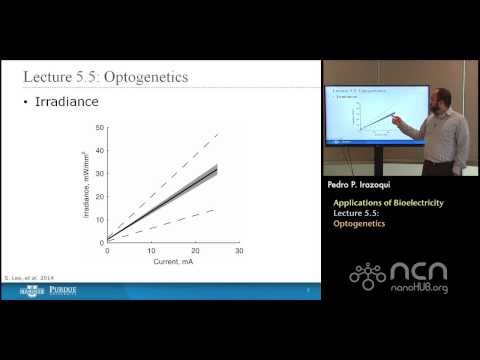
nanoHUB-U Bioelectricity L5.5: Applications of Bioelectricity - Optogenetics
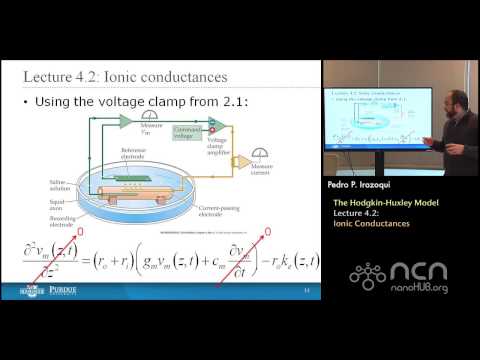
nanoHUB-U Bioelectricity L4.2: Hodgkin-Huxley Model - Ionic Conductances
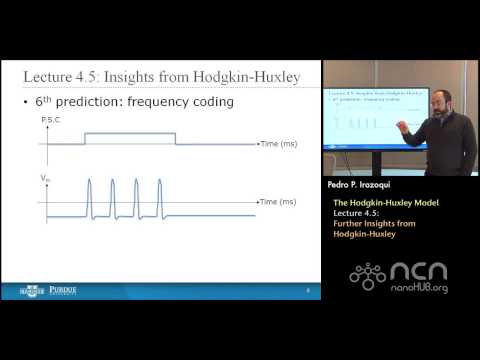
nanoHUB-U Bioelectricity L4.5: Hodgkin-Huxley Model - Further Insights from Hodgkin-Huxley
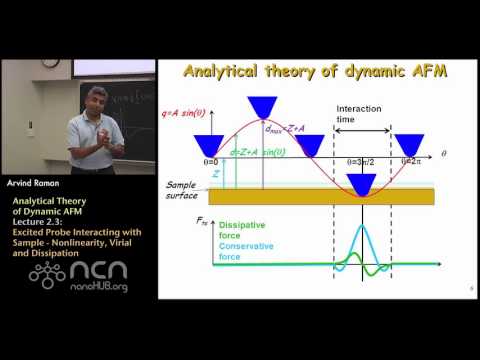
nanoHUB-U Fundamentals of AFM L2.3: Analytical Theory - Nonlinearity, Virial, and Dissipation
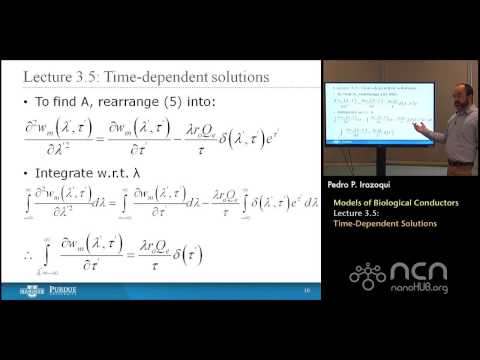
nanoHUB-U Bioelectricity L3.5: Biological Conductors - Time-dependent Solutions
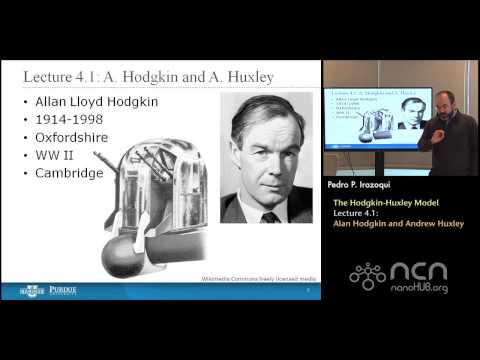
nanoHUB-U Bioelectricity L4.1: Hodgkin-Huxley Model - Alan Hodgkin and Andrew Huxley
nanoHUB-U Introduction to Bioelectricity: Scientific Overview
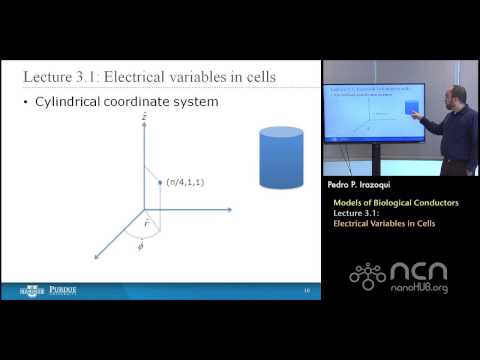
nanoHUB-U Bioelectricity L3.1: Biological Conductors - Electrical Variables in Cells
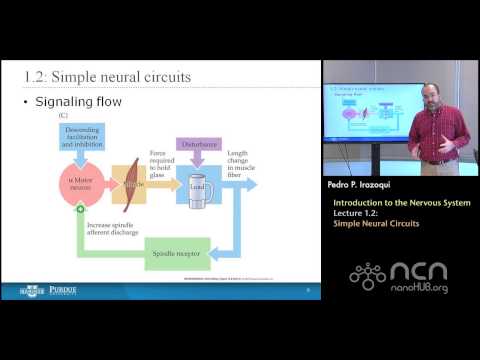
nanoHUB-U Bioelectricity L1.2: The Nervous System - Simple Neural Circuits
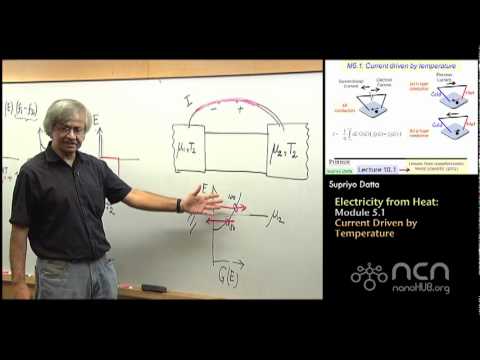
nanoHUB-U Fundamentals of Nanoelectronics I: M5.1 Electricity from Heat - Temperature Driven Current
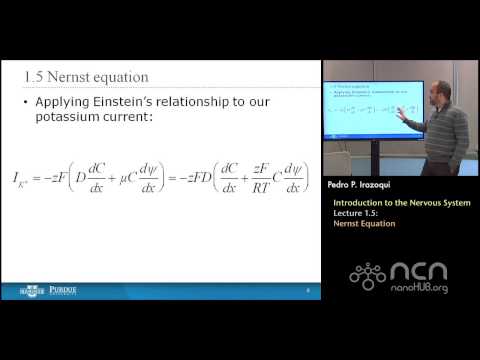
nanoHUB-U Bioelectricity L1.5: The Nervous System - Nernst Equation
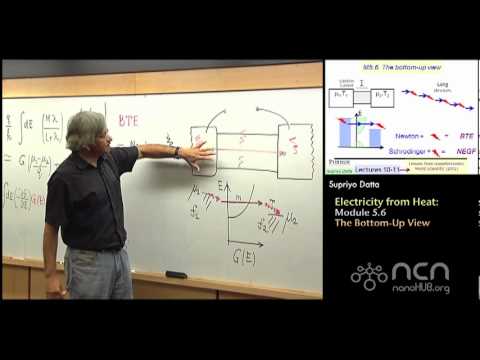
nanoHUB-U Fundamentals of Nanoelectronics I: M5.6 Electricity from Heat - The Bottum-Up View
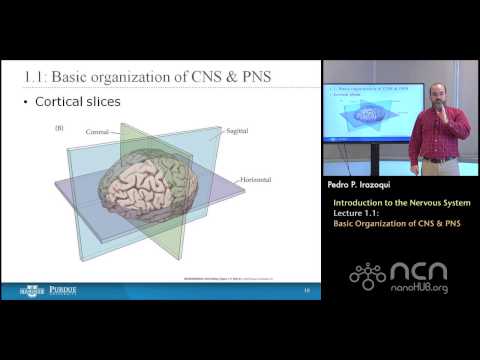
nanoHUB-U Bioelectricity L1.1: The Nervous System - Basic Organization of CNS & PNS
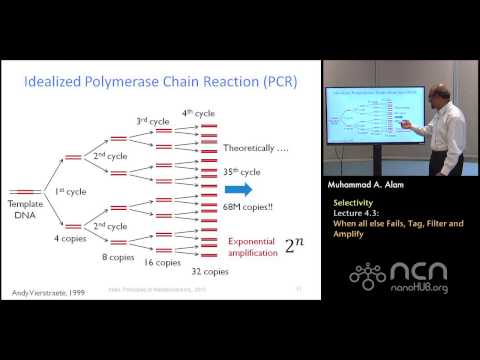
nanoHUB-U Nanobiosensors L4.3: Selectivity - When all else fails, tag, filer and amplify