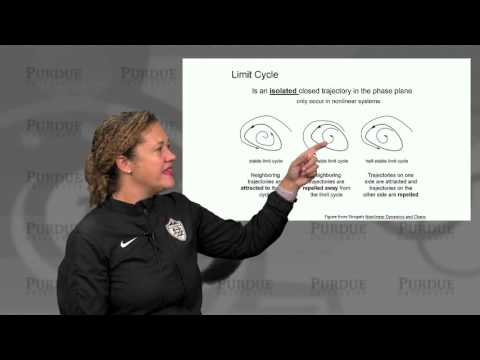
nanoHUB-U Biodesign L4.1: Cell Dynamics - Biological Oscillations I
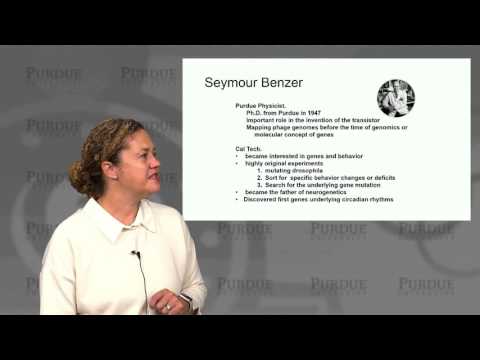
nanoHUB-U Biodesign L4.2: Cell Dynamics - Biological Oscillations II
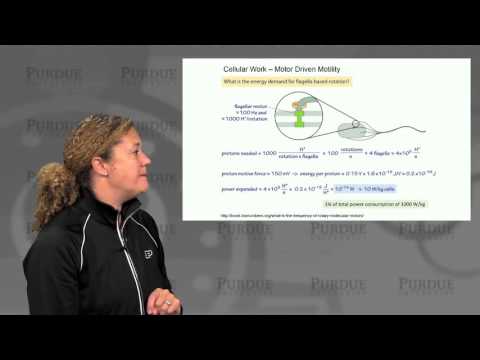
nanoHUB-U Biodesign L1.3: Introduction - The Cell as a Machine - Power Consumption
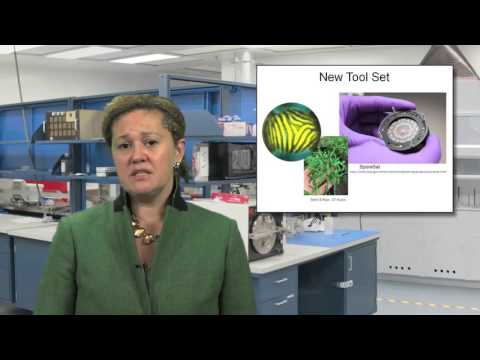
nanoHUB-U Biological Engineering: Cellular Design Principles (Trailer)
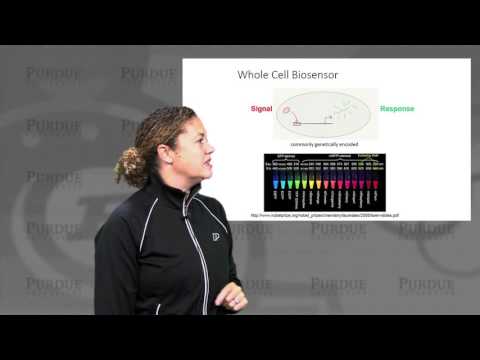
nanoHUB-U Biodesign L1.4: Introduction - The Design of Photoreceptors as a Biosensors
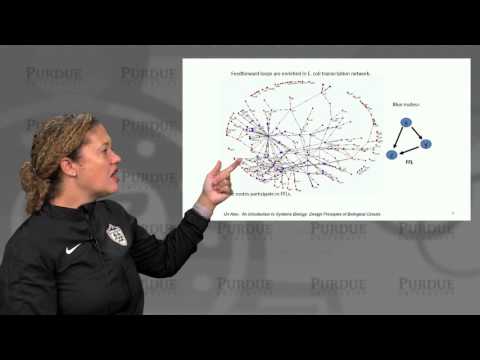
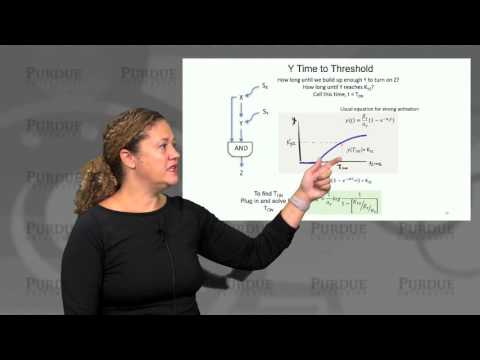
nanoHUB-U Biodesign L3.5: Gene Circuits - Feed Forward Loops I
nanoHUB-U Biodesign L5.4: Cellular Devices - Cells as Biosensors II
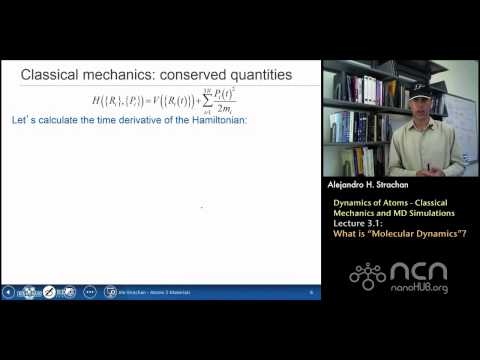
nanoHUB-U Atoms to Materials L3.1: What is "Molecular Dynamics"?
nanoHUB-U Biodesign L3.6: Gene Circuits - Feed Forward Loops II
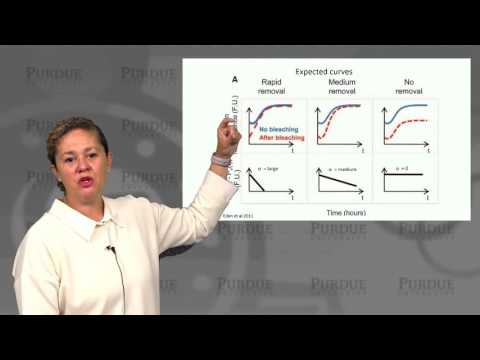
nanoHUB-U Biodesign L3.3: Gene Circuits - Protien Half Lives
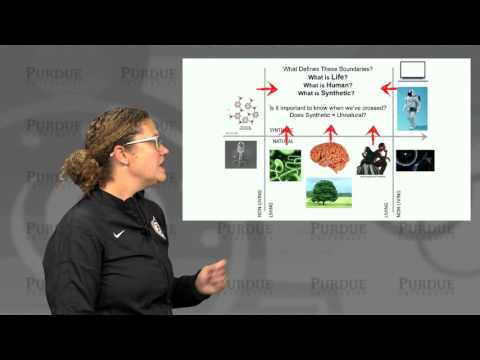
nanoHUB-U Biodesign L6.1: The Future - Synthetic Life
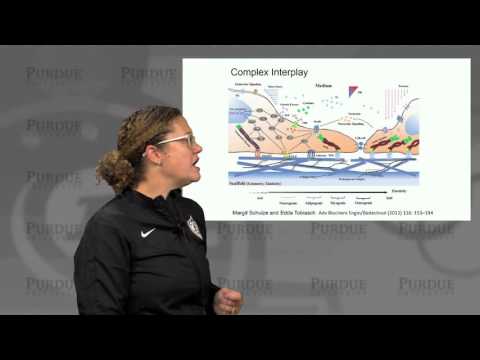
nanoHUB-U Biodesign L5.2: Cellular Devices - The Cell Device Biointerface
A Biodesign
nanoHUB-U Biodesign L3.1: Gene Circuits - Introduction to Transcription Networks
Bio-Oscillation. The only true vertical motion
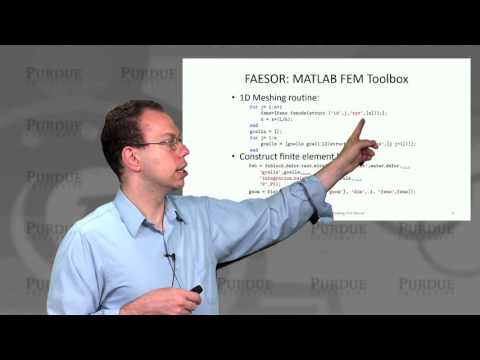
nanoHUB-U Nanophotonic Modeling L4.15: FAESOR: A MATLAB Toolbox for FEM Modeling
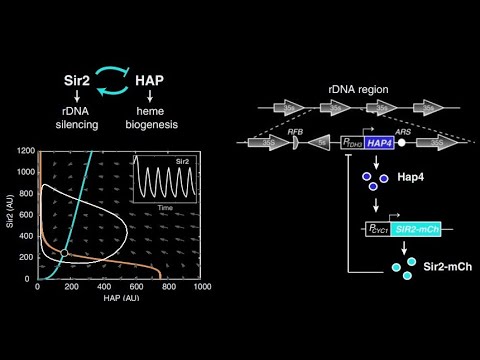
Engineering longevity—design of a synthetic gene oscillator to slow cellular aging
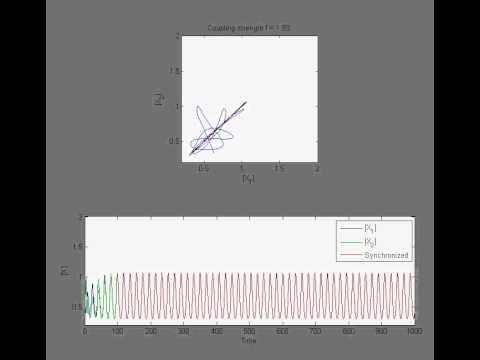
phase portrait showing synchronization of biological oscillations with various coupling levels
CdeCMx Guanajuato - Biological Oscillators: How Do They Work?
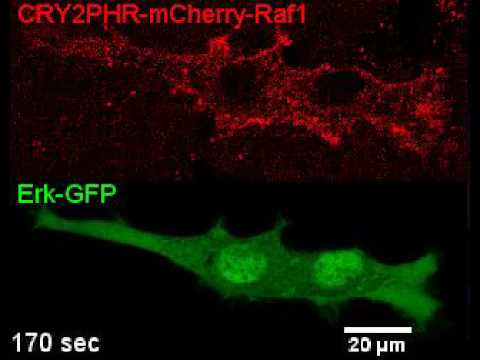
Light Induced ERK Nuclear Translocation