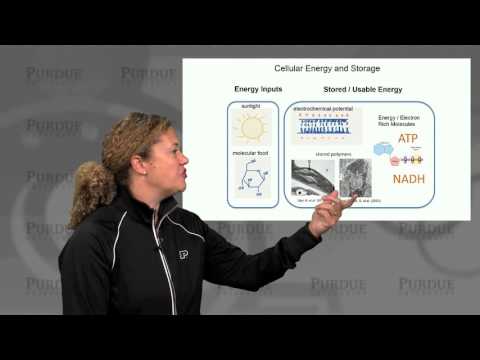
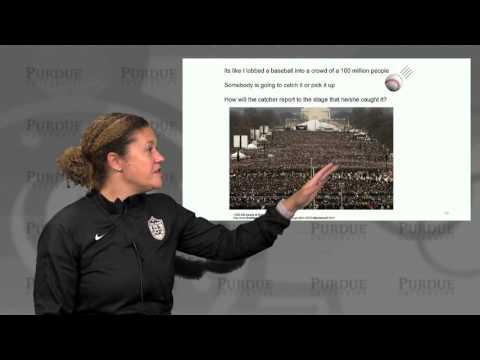
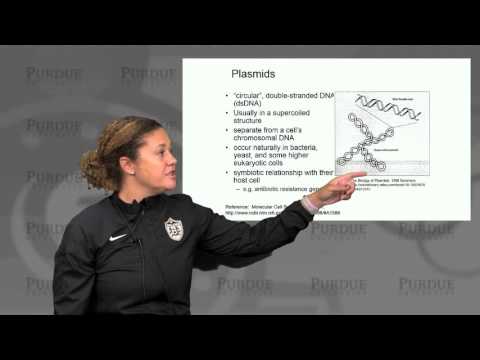
nanoHUB-U Biodesign L1.2: Introduction - The Cell as a Machine
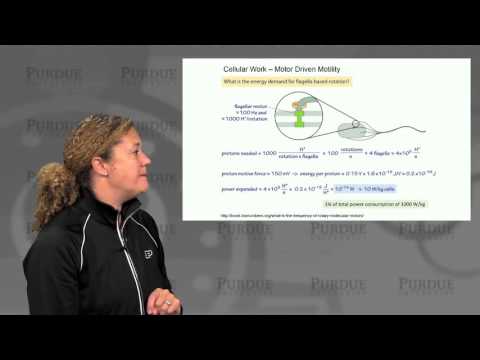
nanoHUB-U Biodesign L1.3: Introduction - The Cell as a Machine - Power Consumption
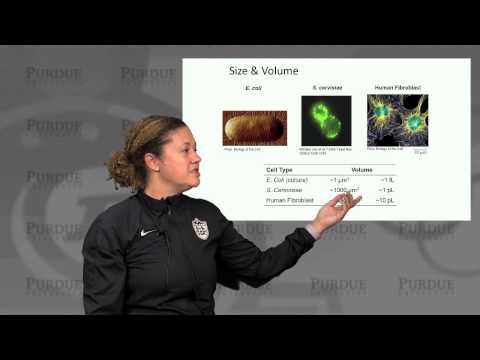
nanoHUB-U Biodesign L1.1: Introduction - Cells by the Numbers
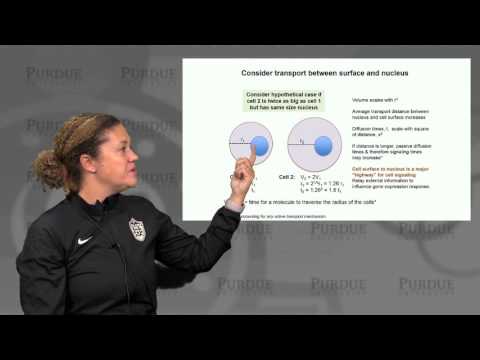
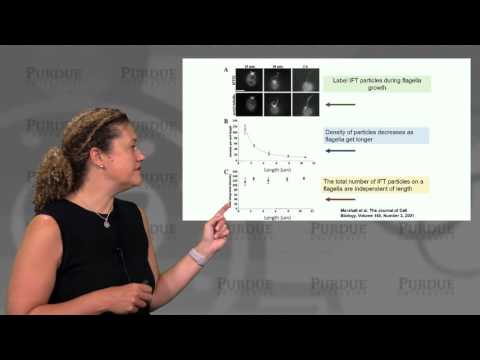
nanoHUB-U Biodesign L2.1: Cellular Architecture - Design Principles of Organelle Size I
nanoHUB-U Biodesign L1.4: Introduction - The Design of Photoreceptors as a Biosensors
nanoHUB-U Biodesign L2.3: Cellular Architecture - Design Principles of Organelle Number
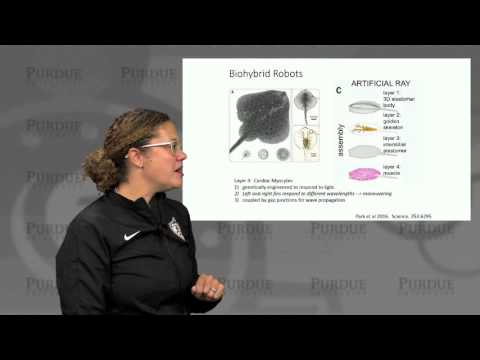
nanoHUB-U Biodesign L5.1: Cellular Devices - Intro to Living Biohybrids
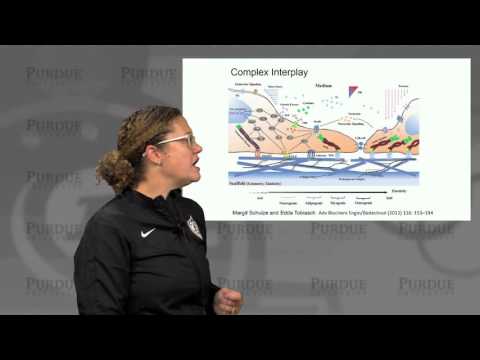
nanoHUB-U Biodesign L5.2: Cellular Devices - The Cell Device Biointerface
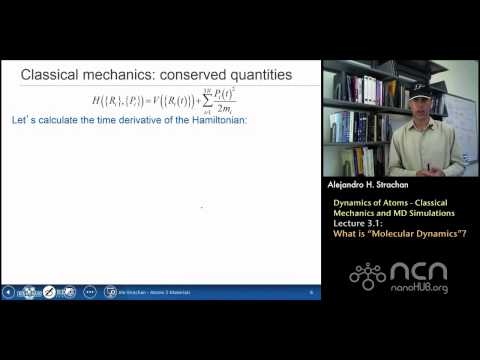
nanoHUB-U Atoms to Materials L3.1: What is "Molecular Dynamics"?
nanoHUB-U Biodesign L2.2: Cellular Architecture - Design Principles of Organelle Size II
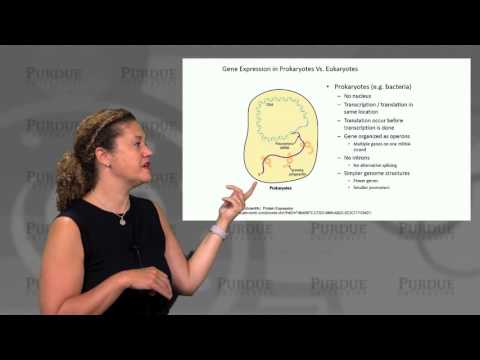
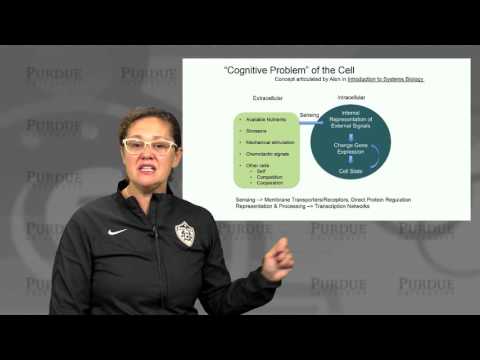
nanoHUB-U Biodesign L3.1: Gene Circuits - Introduction to Transcription Networks
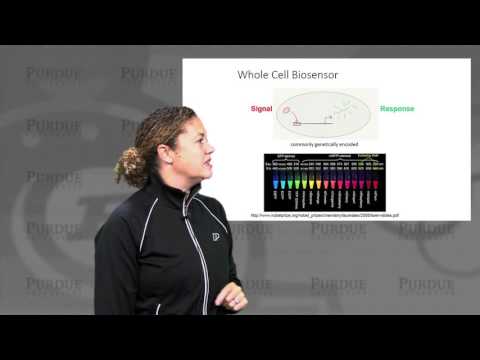
nanoHUB-U Biodesign L5.3: Cellular Devices - Cells as Biosensors I
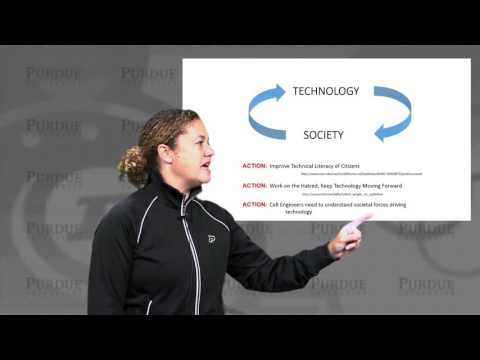
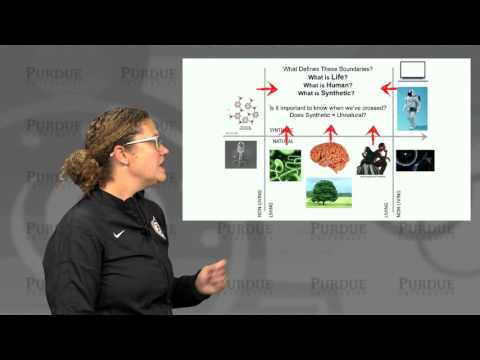
nanoHUB-U Biodesign L6.2: The Future - Ethics, Technology & Society
nanoHUB-U Biodesign L5.4: Cellular Devices - Cells as Biosensors II
Biodesign
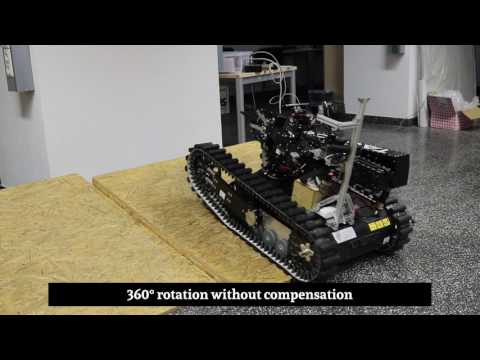
Adaptive Feedforward Velocity Control applied on Rescue Robot
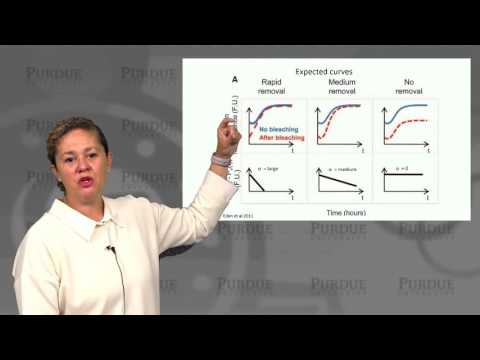
nanoHUB-U Biodesign L3.3: Gene Circuits - Protien Half Lives
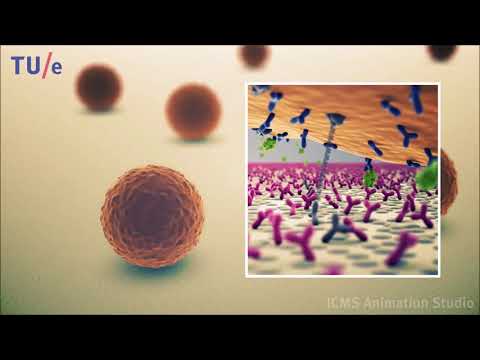
Continuous biomarker monitoring by particle mobility sensing with single molecule resolution
nanoHUB-U Biodesign L6.1: The Future - Synthetic Life
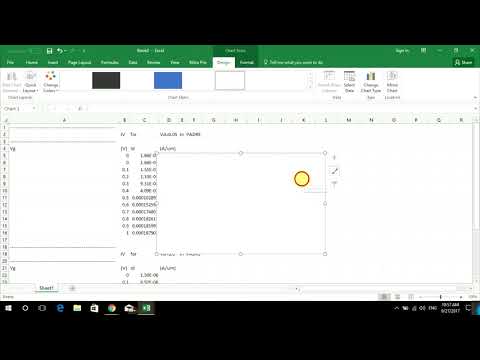
PartII: Save Nanohub Simulations
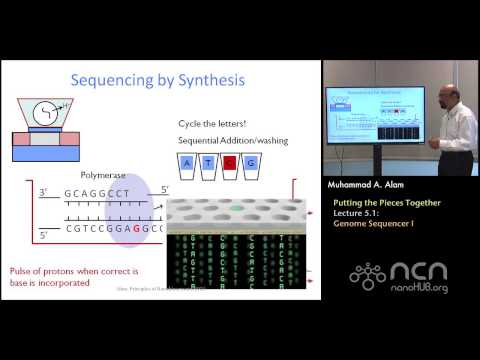
nanoHUB-U Nanobiosensors L5.1: Putting the pieces together - Genome Sequencer I
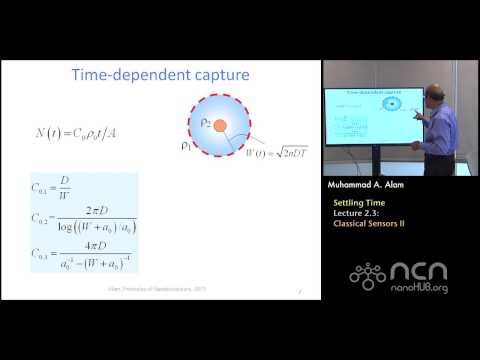
nanoHUB-U Nanobiosensors L2.3: Settling Time - Classical Sensors II
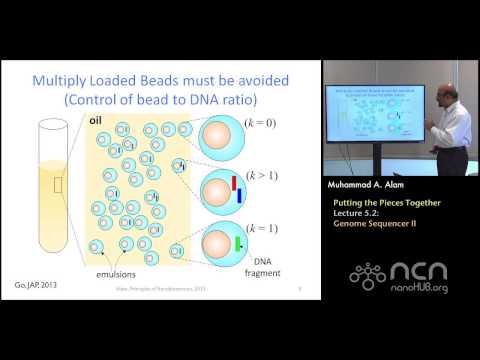
nanoHUB-U Nanobiosensors L5.2: Putting the pieces together - Genome Sequencer II
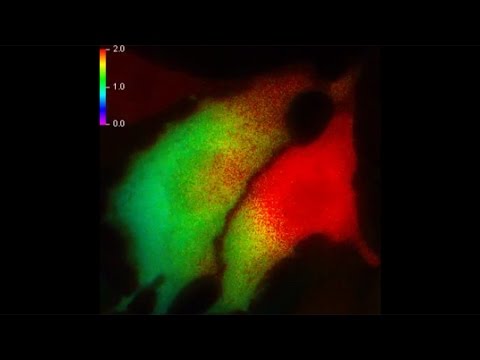
Cameleon biosensor expression in HeLa cells
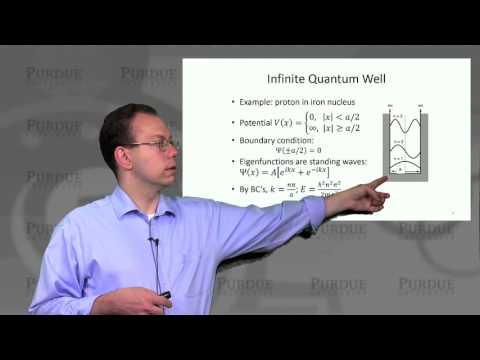
nanoHUB-U Nanophotonic Modeling L1.1: Introduction