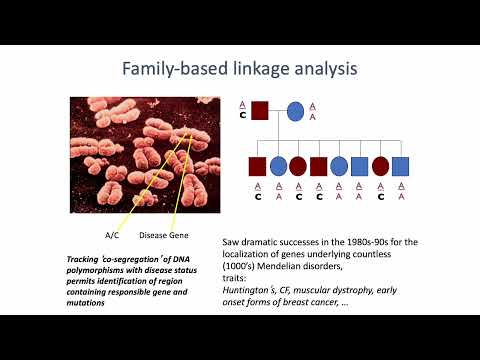
(2022) MCB 182 Lecture 9 - Human genetics
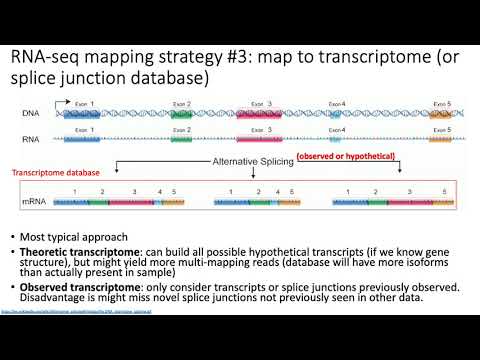
MCB 182 Lecture 9.3 - RNA-seq read mapping strategies
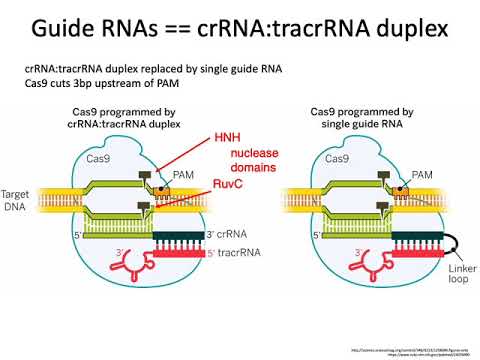
MCB 182 Lecture 4.4 - CRISPR-Cas9 overview
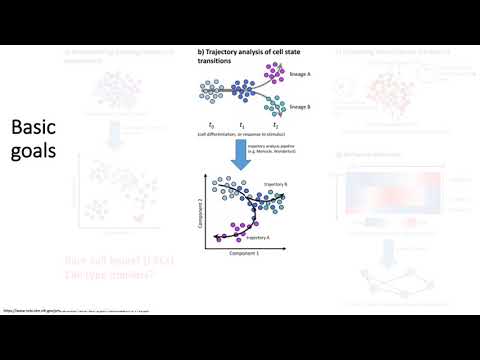
MCB 182 Lecture 9.8 - Analysis goals of scRNA-seq
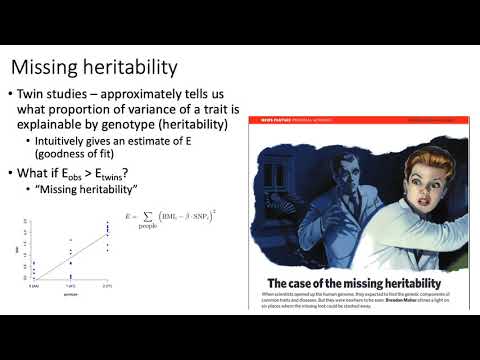
MCB 182 Lecture 12.10 - Epistasis, missing heritability in GWAS
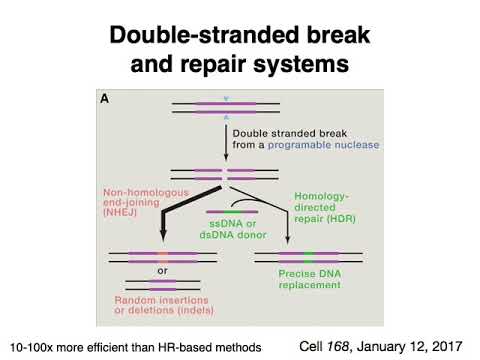
MCB 182 Lecture 4.3 - Gene editing (non CRISPR-Cas9)
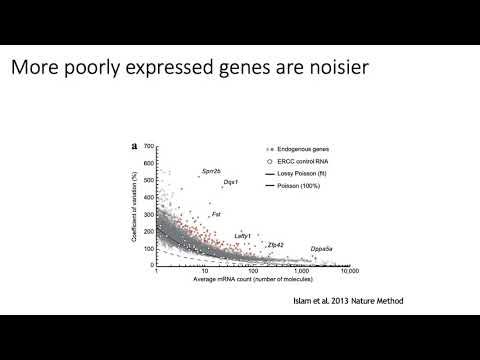
MCB 182 Lecture 9.11 - More on scRNA-seq dropout noise
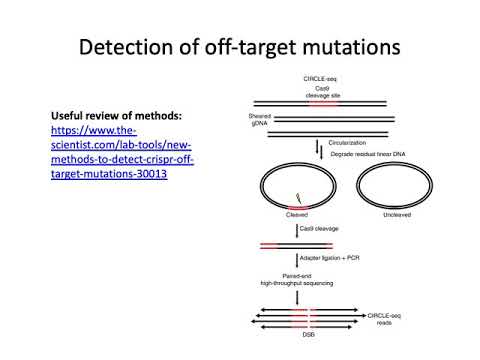
MCB 182 Lecture 4.5 - CRISPR-Cas9 practical considerations, applications
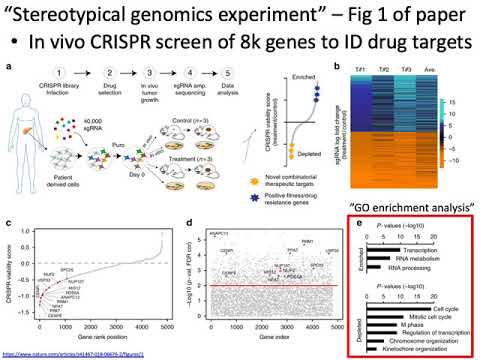
MCB 182 Lecture 5.1 - CRISPR-Cas9 genome-wide screens
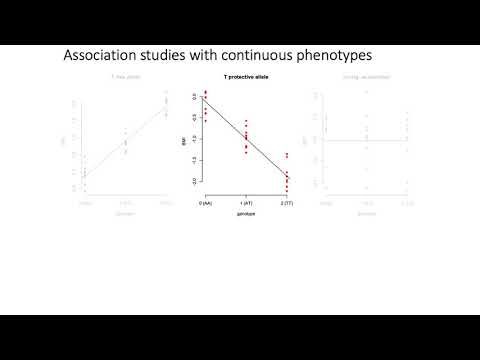
MCB 182 Lecture 12.5 - GWAS for continuous phenotypes, effect size versus statistical significance
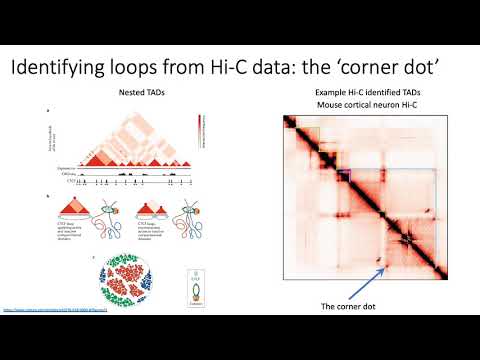
MCB 182 Lecture 10.7 - Chromatin looping, loop extrusion model
MCB 182 Lecture 11.4 - Regulatory interaction networks
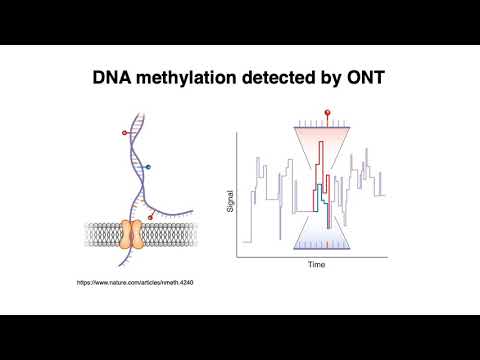
MCB 182 Lecture 8.3 - DNA methylation
(2022) MCB 182 Lecture 8 - Networks
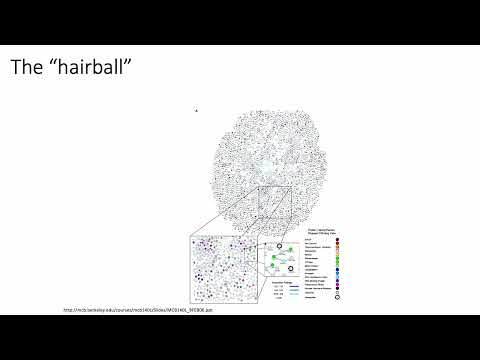
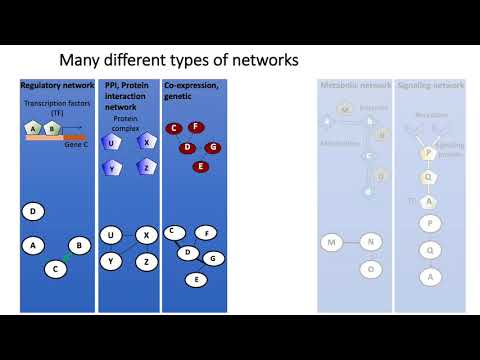
MCB 182 Lecture 11.1 - Introduction to molecular interaction networks
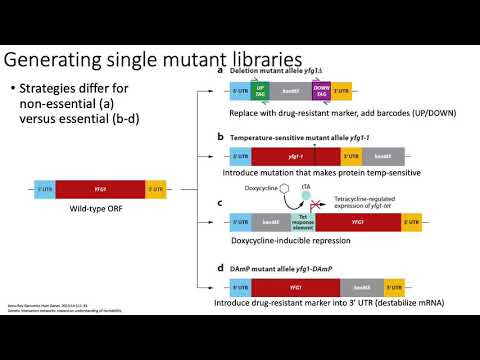
MCB 182 Lecture 11.3 - Genetic interaction (GI) networks
(2022) MCB 182 Lecture 7 - Nuclear organization
MCB 182 Lecture 10.4 - Chromatin conformation capture (Hi-C) assays
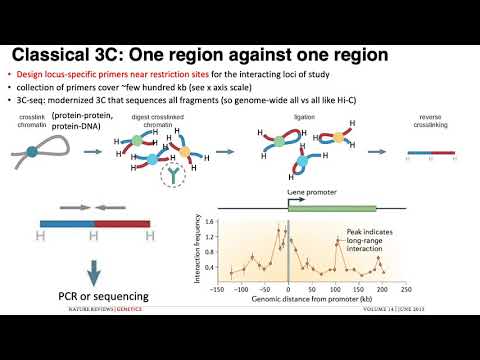
MCB 182 Lecture 10.3 - Chromatin conformation capture (3C, 4C) assays
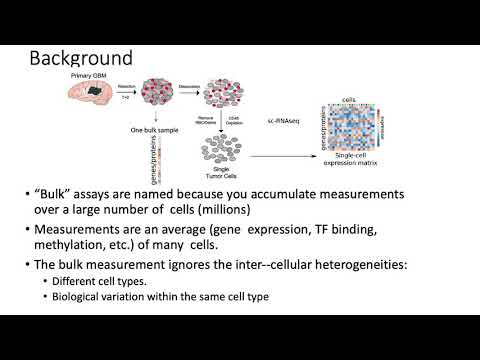
MCB 182 Lecture 9.7 - Introduction to single cell RNA sequencing (scRNA-seq)
(2022) MCB 182 Lecture 5 - Epigenomes
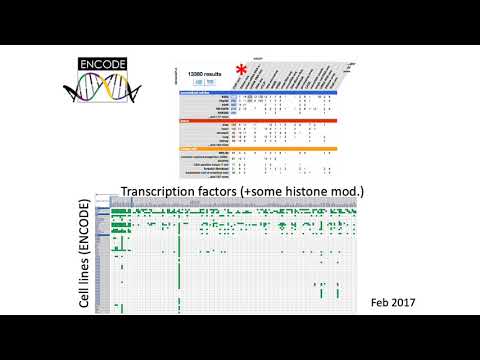
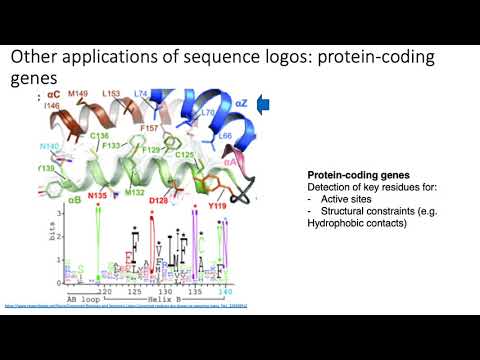
MCB 182 Lecture 7.7 - PWM applications in scanning the genome for TF binding, other applications
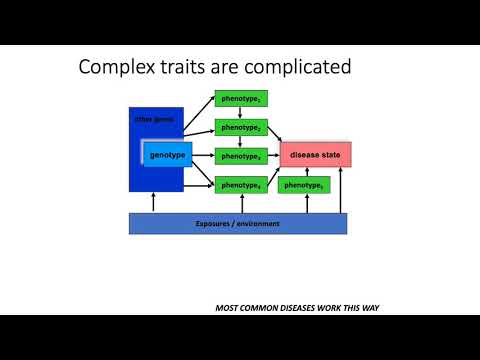
MCB 182 Lecture 12.2 - Mendelian versus complex trait genetics
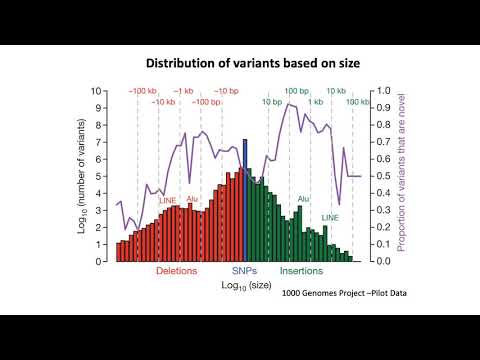
MCB 182 Lecture 12.1 - Introduction to human genetic variation
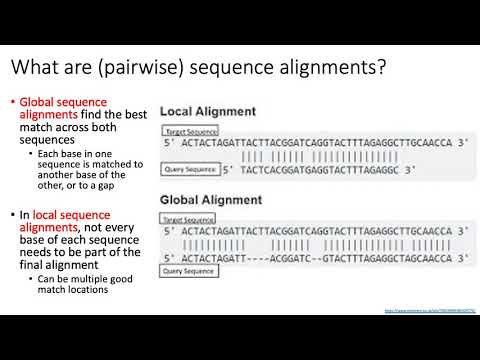
MCB 182 Lecture 6.1 - Introduction to sequence alignments