Come gestire il Gerundio + Avverbi & Congiunzioni di Tempo - ESEMPIO #8
German Lesson 37 | How to Translate the Gerund into German
I consigli agli aspiranti scrittori - Il gerundio
Latino: subordinata consecutiva
Verbi con DOPPIO AUSILIARE (Essere + Avere): È piovuto o ha piovuto? È sceso o ha sceso? Ecc.
12 cose da NON dire a lavoro! Sii professionale: Impara come Gestire le Situazioni Difficili 👩🏼💻
Come migliorare un dialogo: un esempio pratico
C'ENTRARE e CENTRARE Significato e uso! (Bonus: "avere qualcosa a che fare") #5 Italian expressions
TACERE e FARE SILENZIO - The antonyms of “parlare”
German Lesson 4 | Prepositions with accusative, dative, and genitive | Wechselpräpositionen
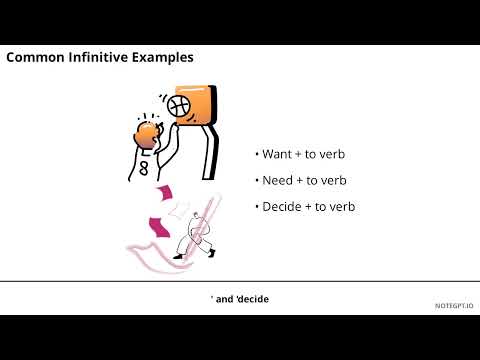
Gerunds vs. Infinitives Infinitives as adjectives
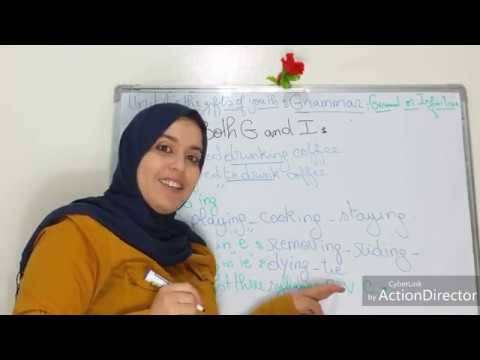
Unit 1: Grammar: The gerund Vs The infinitive
Come gestire i 5 sensi in un romanzo - ESEMPIO #4
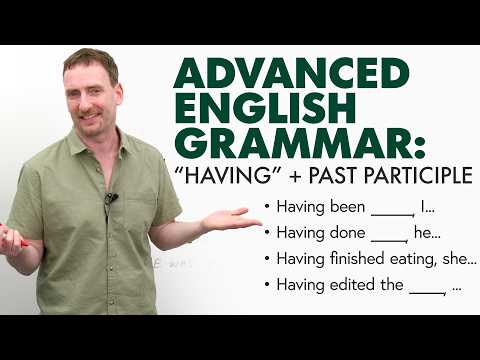
"Avere" + Participio passato | Grammatica inglese avanzata
English lessons| How to use To Infinitive with “was” in a sentence |improve English reading skills
Lezione di Inglese 2 | Present Continuous spiegazione completa
How to Learn English without grammatically Mistakes| How to use Gerunds | English writing skills
Come scrivere un BUON FINALE + Finali a Sorpresa! - ESEMPIO #7
German Lesson 25 | The Double Infinitive Rule in German
Mi raccomando o Ti raccomando? I significati del verbo "raccomandare"