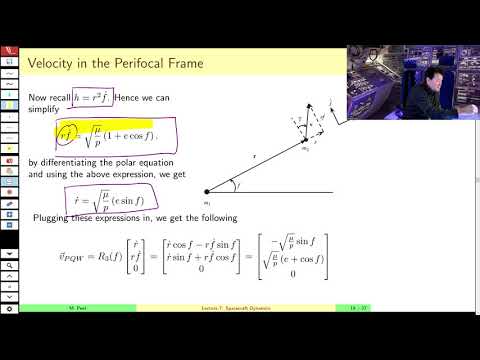
AEE462 Lecture 7, Part C - Using Orbital Elements to Find Position and Velocity Vectors
AEE462 Lecture 7, Part A - A Summary of the Method for Orbit Propagation
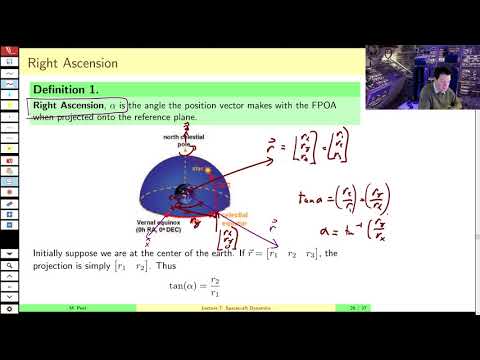
AEE462 Lecture 7, Part D - Right Ascension, Declination, and Local Sidereal Time
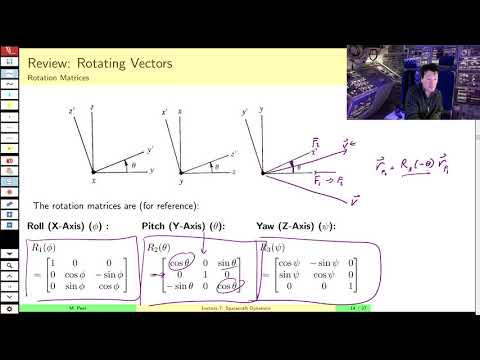
AEE462 Lecture 7, Part B - A Review of Rotation Matrices and Conversion between Coordinate Systems
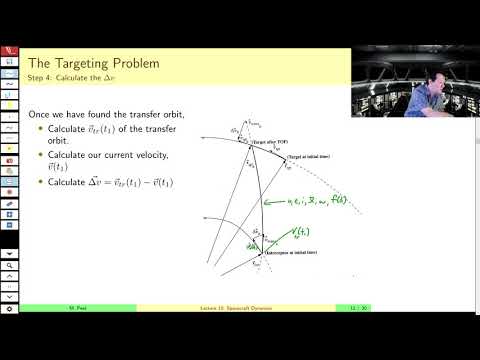
AEE462 Lecture 10, Part B - Lambert's Equation and the Solution to Lambert's Problem
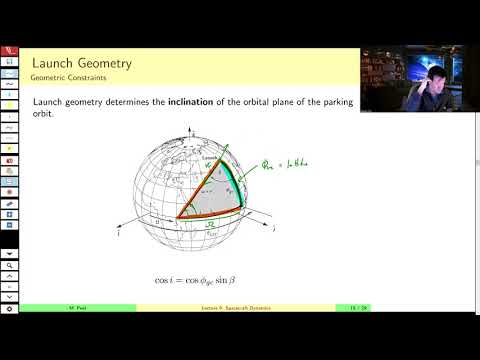
AEE462 Lecture 9, Part C - Orbital Plane and Launch Geometry: Azimuth, Inclination, and Lattitude
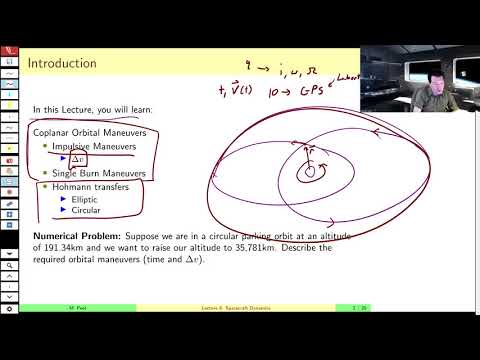
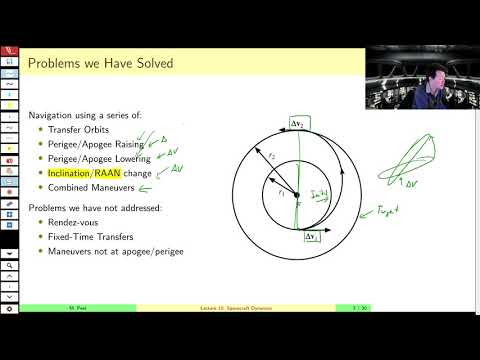
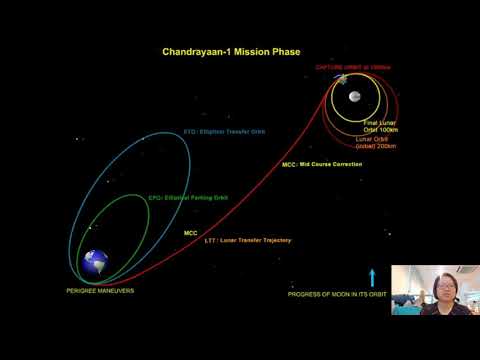
AEE462 Lecture 8, Part A - Delta V and Transfer Orbits
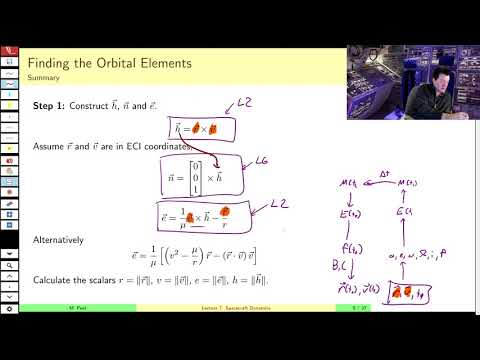
RxV to COEs: The How-To Guide
LSN 9 - Transforming a Position Vector and a Velocity Vector into the 6 Classical Orbital Elements
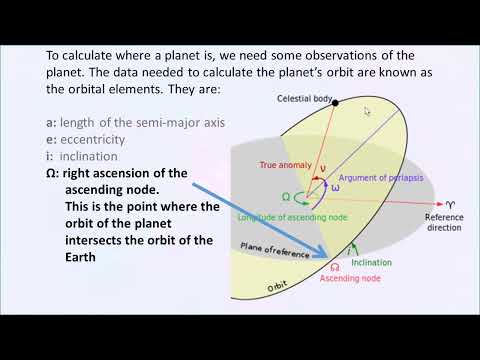
Orbits Of Planets, Part 2: Orbital Elements
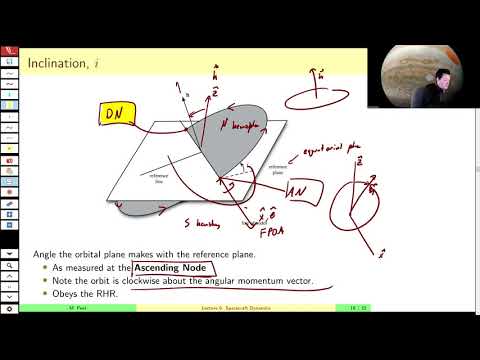
AEE462 Lecture 6, Part B (rev 1) - 3D Orbital Elements: Inclination, RAAN, and Argument of Periapse
AEE462 Lecture 10, Part A - Definition and History of Lambert's Problem
AEE462 Lecture 5, Part A - Moving Hyperbolic Orbits in Time
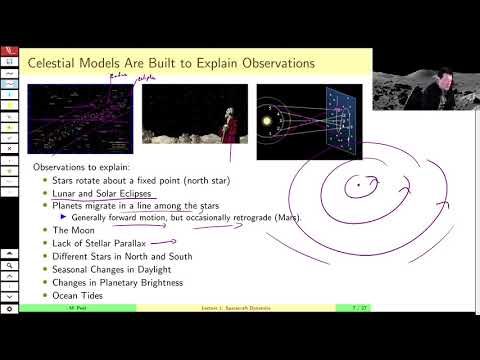
AEE462 Lecture 1, Part A/B - Orbits and the Greeks
13.4a Orbital Mechanics | A2 Gravitational Fields | Cambridge A Level Physics
Physics Problem: Spacecraft Deflection due to an Asteroid.
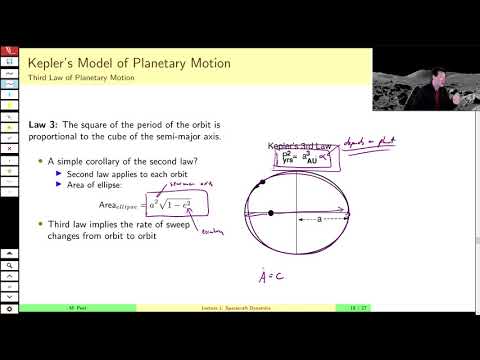
AEE462 Lecture 1, Part D - Kepler's 3 Laws of Planetary motion and Newton's Universal Gravitation
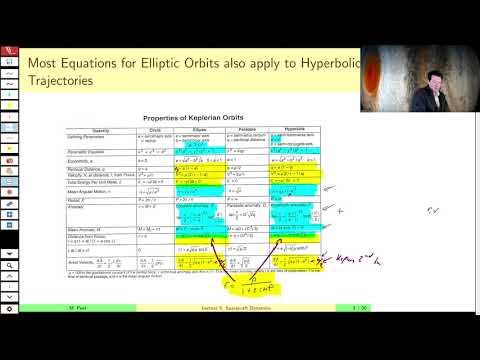
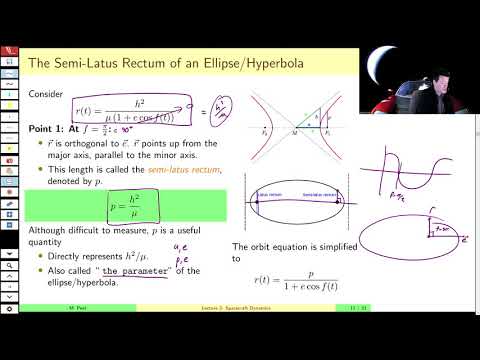
AEE462 Lecture 3, Part B - Parameters of Elliptic and Hyperbolic Motion
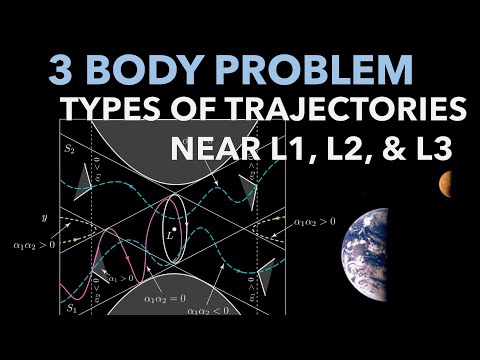
Trajectory Types Near L1, L2, & L3 in the Three Body Problem - Theory and MATLAB Examples | Topic 11
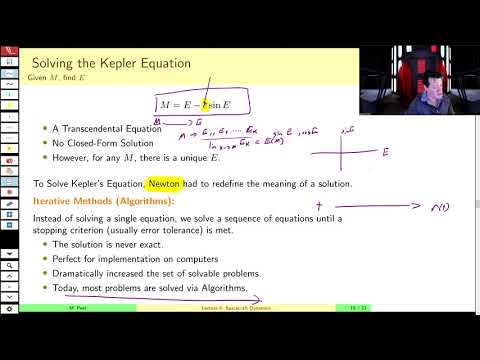
AEE462 Lecture 4, Part B - Newton-Raphson Iteration and Kepler's Equation