84. OCR A Level (H046-H446) SLR13 - 1.4 Character sets
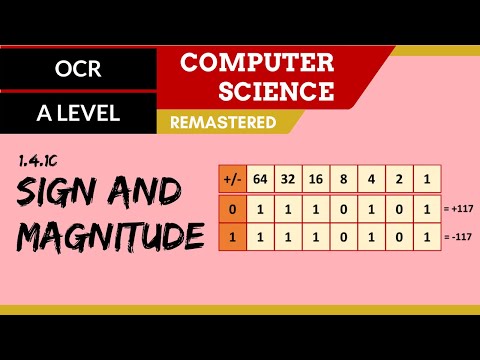
74. OCR A Level (H046-H446) SLR13 - 1.4 Sign and magnitude
79. OCR A Level (H046-H446) SLR13 - 1.4 Floating point binary part 1 - Overview
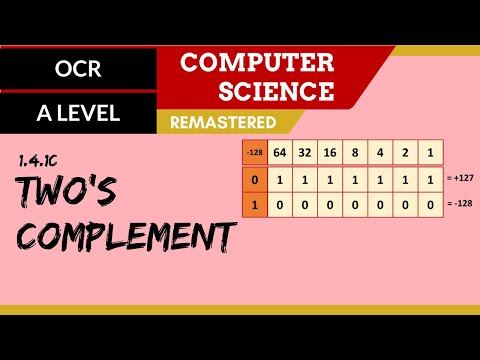
75. OCR A Level (H046-H446) SLR13 - 1.4 Two's complement
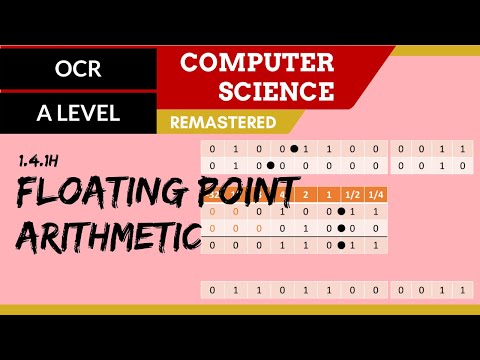
82. OCR A Level (H446) SLR13 - 1.4 Floating point arithmetic
77. OCR A Level (H046-H446) SLR13 - 1.4 Hexadecimal representation
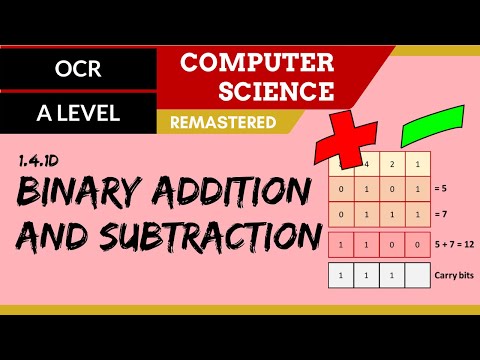
76. OCR A Level (H046-H446) SLR13 - 1.4 Binary addition and subtraction
72. OCR A Level (H046-H446) SLR13 - 1.4 Primitive data types
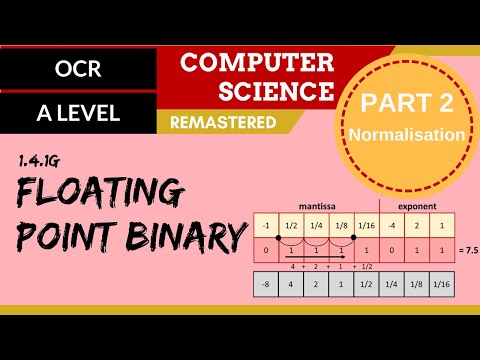
80. OCR A Level (H046-H446) SLR13 - 1.4 Floating point binary part 2 - Normalisation
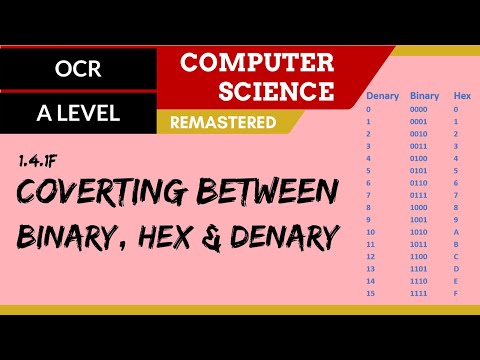
78. OCR A Level (H046-H446) SLR13 - 1.4 Converting between binary, hex & denary
84. AQA GCSE (8525) SLR13 - 3.3 Compression Huffman coding
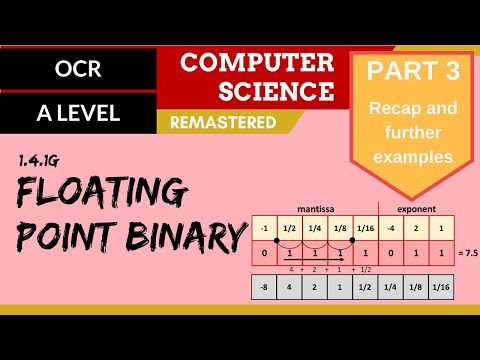
81. OCR A Level (H446) SLR13 - 1.4 Floating point binary part 3 - Recap and further examples
122. OCR A Level (H446) SLR19 - 2.1 Caching
46. OCR A Level (H046-H446) SLR9 - 1.3 Lossy vs lossless
130. OCR A Level (H046-H446) SLR21 - 2.1 Decisions & program flow
"Corinne talks CND" - How to use the Craig n Dave A Level SLRs (for students)
85. AQA GCSE (8525) SLR13 - 3.3 Compression Run length encoding
126. OCR A Level (H046-H446) SLR20 - 2.1 Steps to solve a problem
118. OCR A Level (H046-H446) SLR18 - 2.1 Abstraction & reality
115. OCR A Level (H046-H446) SLR17 - 1.5 Moral, social & ethical issues part 5