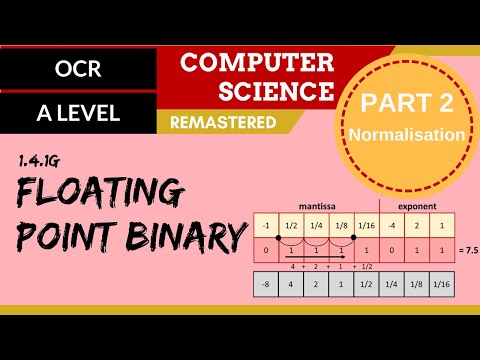
80. OCR A Level (H046-H446) SLR13 - 1.4 Floating point binary part 2 - Normalisation
79. OCR A Level (H046-H446) SLR13 - 1.4 Floating point binary part 1 - Overview
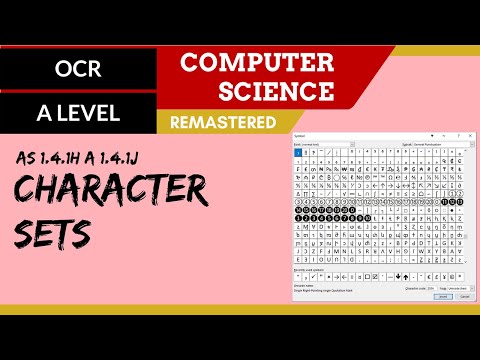
84. OCR A Level (H046-H446) SLR13 - 1.4 Character sets
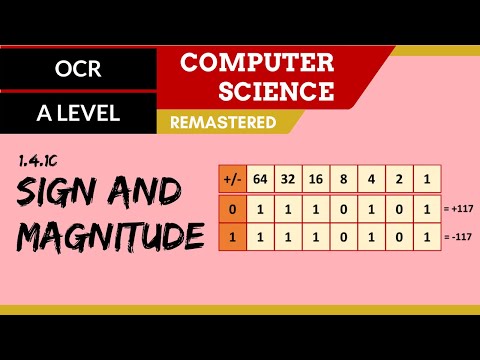
74. OCR A Level (H046-H446) SLR13 - 1.4 Sign and magnitude
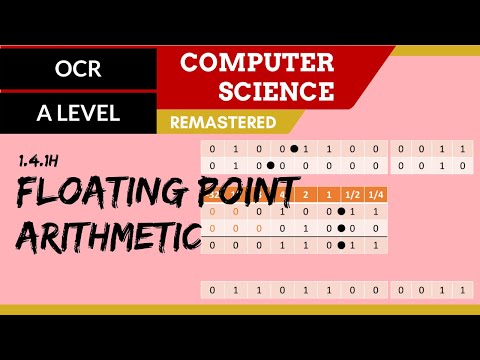
82. OCR A Level (H446) SLR13 - 1.4 Floating point arithmetic
77. OCR A Level (H046-H446) SLR13 - 1.4 Hexadecimal representation
73. OCR A Level (H046-H446) SLR13 - 1.4 Binary positive integers
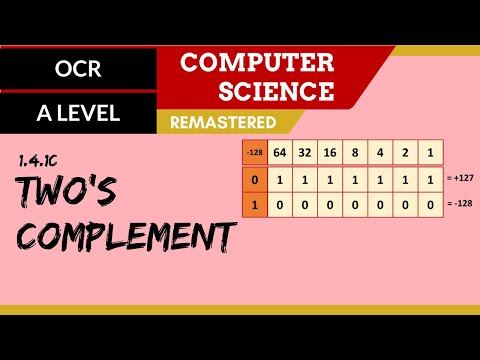
75. OCR A Level (H046-H446) SLR13 - 1.4 Two's complement
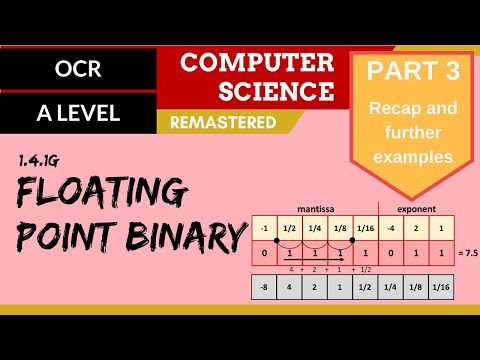
81. OCR A Level (H446) SLR13 - 1.4 Floating point binary part 3 - Recap and further examples
72. OCR A Level (H046-H446) SLR13 - 1.4 Primitive data types
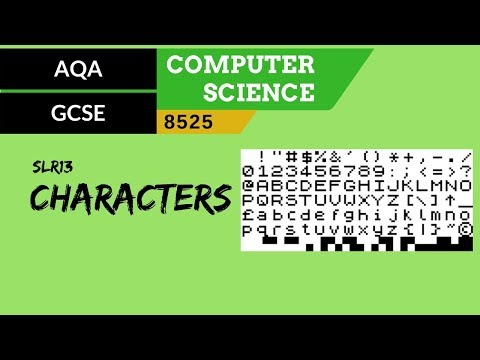
80. AQA GCSE (8525) SLR13 - 3.3 Characters
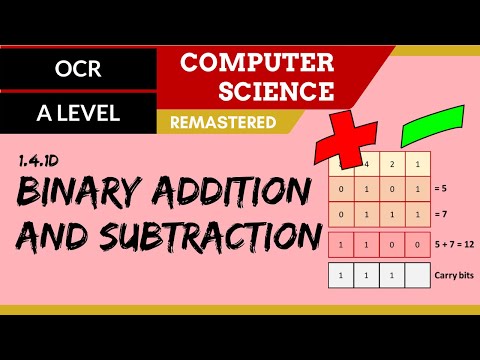
76. OCR A Level (H046-H446) SLR13 - 1.4 Binary addition and subtraction
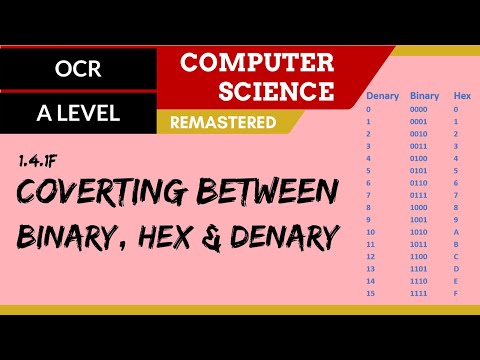
78. OCR A Level (H046-H446) SLR13 - 1.4 Converting between binary, hex & denary
47. OCR A Level (H446) SLR9 - 1.3 Run length & dictionary coding
8. OCR A Level (H046-H446) SLR2 - 1.1 Multi-core & parallel systems
"Corinne talks CND" - How to use the Craig n Dave A Level SLRs (for students)
68. OCR A Level (H446) SLR12 - 1.3 PageRank algorithm
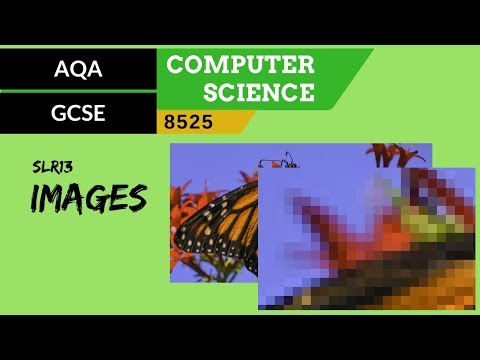
81. AQA GCSE (8525) SLR13 - 3.3 Images
48. OCR A Level (H446) SLR9 - 1.3 Symmetric & asymmetric encryption
Normalised Floating Point Binary Made Simple