33. OCR A Level (H046-H446) SLR7 - 1.2 Procedural languages
32. OCR A Level (H446) SLR7 - 1.2 Programming paradigms
34. OCR A Level (H046-H446) SLR7 - 1.2 Assembly language and LMC language
36. OCR A Level (H446) SLR7 - 1.2 Object-oriented languages part 1
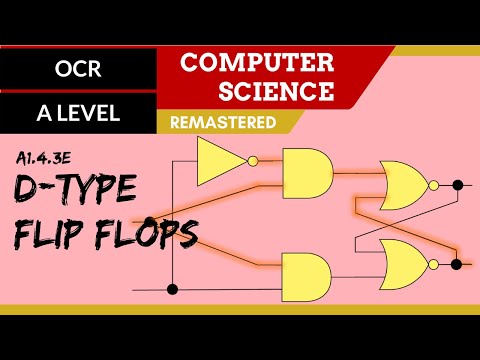
106. OCR A Level (H446) SLR15 - 1.4 D-type flip flops
39. OCR A Level (H446) SLR7 - 1.2 Object-oriented languages part 4
35. OCR A Level (H446) SLR7 - 1.2 Addressing memory
38. OCR A Level (H446) SLR7 - 1.2 Object-oriented languages part 3
108. OCR A Level (H046-H446) SLR16 - 1.5 Computer Misuse Act
17. OCR A Level (H046-H446) SLR4 - 1.2 Types of operating system
71. OCR A Level (H046-H446) SLR12 - 1.3 Lossy vs lossless
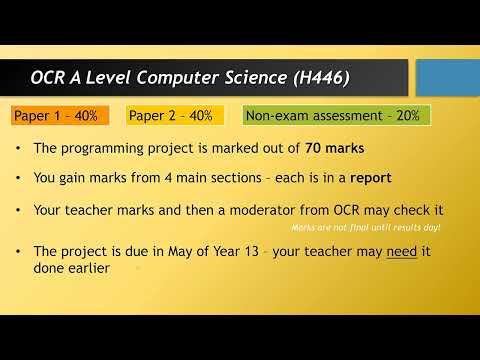
How Do I Complete the OCR A Level Computer Science NEA?
126. OCR A Level (H046-H446) SLR20 - 2.1 Steps to solve a problem
143. OCR A Level (H446) SLR24 - 2.2 Use of abstraction
21. OCR A Level (H046-H446) SLR5 - 1.2 The nature of applications
33. AQA GCSE (8525) SLR7 - 3.1 What’s an algorithm
22. OCR A Level (H046-H446) SLR5 - 1.2 Utilities
62. OCR A Level (H446) SLR11 - 1.3 Network hardware
57. OCR A Level (H046-H446) SLR11 - 1.3 Network characteristics & protocols
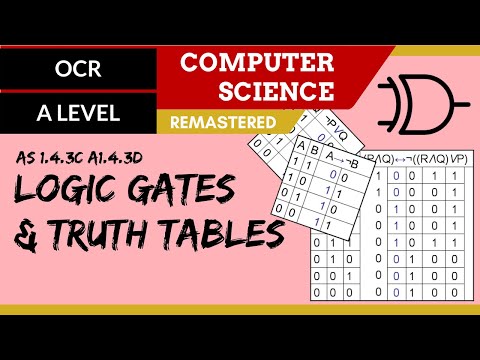
102. OCR A Level (H046-H446) SLR15 - 1.4 Logic gates & truth tables