144. OCR A Level (H446) SLR24 - 2.2 Backtracking, data mining & heuristics
143. OCR A Level (H446) SLR24 - 2.2 Use of abstraction
142. OCR A Level (H446) SLR24 - 2.2 Divide & conquer
145. OCR A Level (H446) SLR24 - 2.2 Performance modelling, pipelining & visualisation
141. OCR A Level (H446) SLR24 - 2.2 Problem decomposition
139. OCR A Level (H446) SLR24 - 2.2 Features of a problem
140. OCR A Level (H446) SLR24 - 2.2 Problem recognition
2.1.4 Computational thinking- Thinking logically
130. OCR A Level (H046-H446) SLR21 - 2.1 Decisions & program flow
116. OCR A Level (H046-H446) SLR18 - 2.1 The nature of abstraction
128. OCR A Level (H046-H446) SLR21 - 2.1 Decision points in a solution
126. OCR A Level (H046-H446) SLR20 - 2.1 Steps to solve a problem
154. OCR A Level (H046-H446) SLR25 - 2.3 Comparing suitability of algorithms
4. OCR A Level (H466) SLR1 - 1.1 Pipelining
158. OCR A Level (H446) SLR26 - 2.3 A star pathfinding
121. OCR A Level (H046-H446) SLR19 - 2.1 Determining preconditions
89. OCR A Level (H046-H446) SLR14 - 1.4 Data structures part 3 - Stacks & queues
112. OCR A Level (H046-H446) SLR17 - 1.5 Moral, social & ethical issues part 2
127. OCR A Level (H046-H446) SLR20 - 2.1 Identify sub procedures
122. OCR A Level (H446) SLR19 - 2.1 Caching
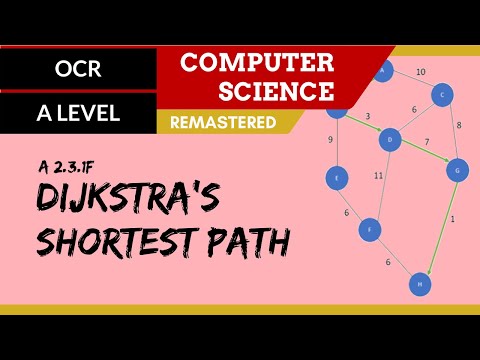
157. OCR A Level (H446) SLR26 - 2.3 Dijkstra's shortest path
132. OCR A Level (H446) SLR22 - 2.1 Benefits & trade offs of concurrent processing
135. OCR A Level (H046-H446) SLR23 - 2.2 Global & local variables
148. OCR A Level (H046-H446) SLR25 - 2.3 Algorithms for the main data structures
131. OCR A Level (H446) SLR22 - 2.1 Tackling concurrent problems