140. OCR A Level (H446) SLR24 - 2.2 Problem recognition
139. OCR A Level (H446) SLR24 - 2.2 Features of a problem
141. OCR A Level (H446) SLR24 - 2.2 Problem decomposition
142. OCR A Level (H446) SLR24 - 2.2 Divide & conquer
143. OCR A Level (H446) SLR24 - 2.2 Use of abstraction
145. OCR A Level (H446) SLR24 - 2.2 Performance modelling, pipelining & visualisation
130. OCR A Level (H046-H446) SLR21 - 2.1 Decisions & program flow
2.1.4 Computational thinking- Thinking logically
129. OCR A Level (H046-H446) SLR21 - 2.1 Determine logical conditions
115. OCR A Level (H046-H446) SLR17 - 1.5 Moral, social & ethical issues part 5
128. OCR A Level (H046-H446) SLR21 - 2.1 Decision points in a solution
126. OCR A Level (H046-H446) SLR20 - 2.1 Steps to solve a problem
132. OCR A Level (H446) SLR22 - 2.1 Benefits & trade offs of concurrent processing
121. OCR A Level (H046-H446) SLR19 - 2.1 Determining preconditions
118. OCR A Level (H046-H446) SLR18 - 2.1 Abstraction & reality
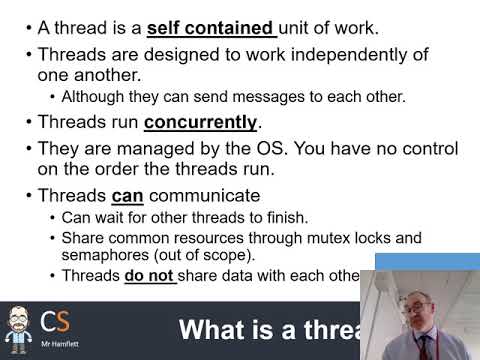
OCR GCE Computer Science - Thinking concurrently
39. OCR A Level (H446) SLR7 - 1.2 Object-oriented languages part 4
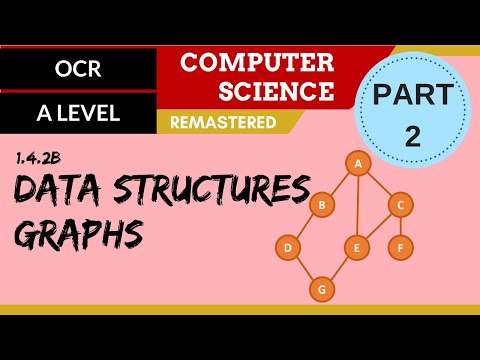
88. OCR A Level (H446) SLR14 - 1.4 Data structures part 2 - Graphs
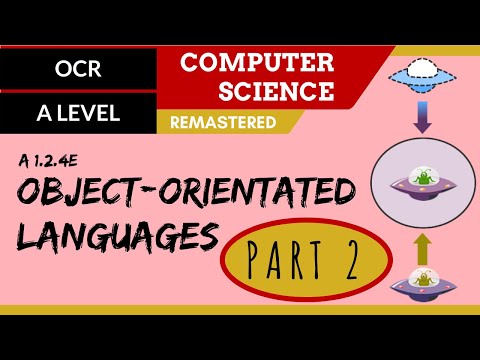
37. OCR A Level (H446) SLR7 - 1.2 Object-oriented languages part 2
117. OCR A Level (H046-H446) SLR18 - 2.1 The need for abstraction